
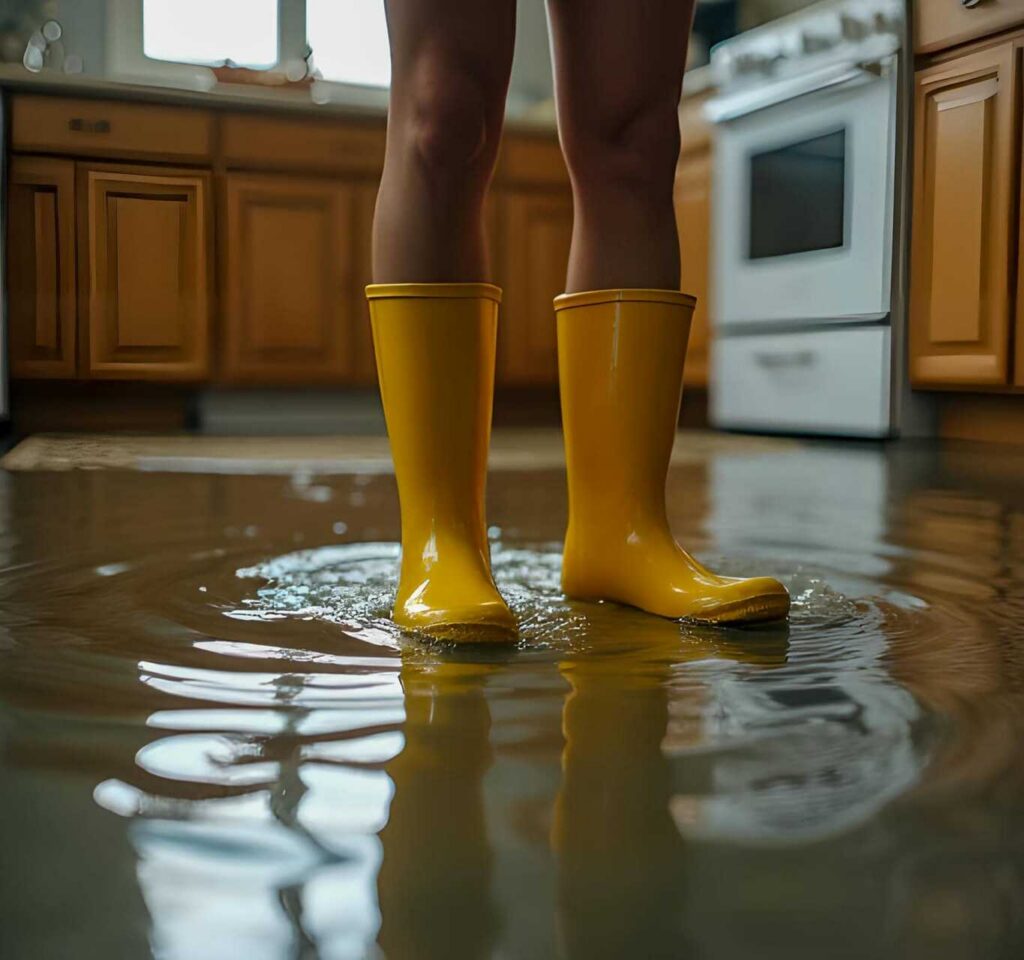
Urgent Water Damage Cleanup should begin as soon as it is safe to do so, as a fast response can significantly reduce property damage and health risks. Start by shutting off electricity if it is safe, documenting the affected areas for insurance purposes, and removing standing water as quickly as possible. Professional drying, dehumidification, and moisture detection help prevent hidden water damage and reduce the risk of mold growth. Taking the right steps within the first 24 hours can protect your property, preserve more of your belongings, and minimize the overall cost of restoration.
Key Takeaways
- Ensure everyone’s safety first, then shut off electricity and water if it’s safe to do so.
- Document all visible damage with photos and notes before removing items or starting cleanup.
- Begin water removal and drying within hours using pumps, wet/dry vacuums, fans, and dehumidifiers.
- Remove soaked drywall, insulation, flooring, and other unsalvageable materials to prevent mold growth.
- Contact your insurer and, if needed, hire professionals for mold, structural, plumbing, or electrical repairs.
What to Do in the First 24 Hours
In the first 24 hours after water damage, you need to act fast to limit structural damage and mold growth. First, ensure everyone’s safety, then shut off electricity and water if you can do so safely.
Call your emergency contacts, including your insurer, and start insurance claims right away. Document visible damage with clear photos and notes, because accurate records support faster approvals.
Move valuables, paperwork, and electronics to a dry, secure area. Open windows if weather allows, and run fans or dehumidifiers only when the space is safe.
Check for sagging ceilings, buckled floors, or hidden moisture, and keep everyone out of unstable rooms. You’re not handling this alone; by acting methodically, you protect your home and stay connected to the support you need.
Start Water Damage Cleanup Immediately
You should start water damage cleanup within hours to limit material saturation and reduce the risk of structural deterioration.
Act quickly to remove standing water, extract moisture from affected surfaces, and dry the area before the damage spreads.
Prompt action helps stop further water migration and keeps the cleanup process controlled and effective.
Act Within Hours
Within hours, water can wick into drywall, swell wood, and trigger mold growth, so start water damage cleanup immediately. You’re protecting structure, indoor air quality, and your recovery timeline when you act fast.
Document the damage, contact your insurer, and review insurance coverage details so you can align each step with your claim. Good emergency preparedness helps you move with confidence, and you’re not doing this alone—your response team can guide you through the first critical hours.
Remove soaked materials that can’t be salvaged, open wet areas for inspection, and schedule professional drying before hidden moisture spreads. Swift action limits secondary damage, preserves more of your property, and keeps your cleanup plan organized, calm, and technically sound.
Stop Further Water Spread
Shut off the water source, if it’s safe to do so, and stop the spread before more materials absorb moisture.
You should move furniture, rugs, and loose belongings to a dry area, then place water barriers at doorways and other low points to contain runoff.
If water is still migrating, direct it toward drainage solutions such as floor drains, sump pits, or exterior exits.
Use towels, mops, or a wet vacuum to remove shallow pooling quickly.
Keep clear pathways so you and your team can work without delay.
Check adjacent rooms, baseboards, and wall cavities for hidden seepage.
Acting now helps you protect the structure, reduce contamination, and keep your home’s recovery on track together.
Remove Standing Water Safely
Start by cutting power to the affected area if water has reached outlets, appliances, or the electrical panel. Then use a wet/dry vacuum, pump, or buckets to remove standing water as quickly as possible.
You’re doing essential water extraction, so keep your safety precautions tight: wear waterproof boots, gloves, and eye protection, and never stand in water near live wiring.
Work in small sections and empty containers before they overflow. If the water is deep, contaminated, or moving, wait for trained help.
Keep children and pets out of the area, and use stable footing when you move equipment. Check low spots, closets, and under fixtures so you don’t miss pooled water.
Stay methodical; your team can handle this.
Dry Walls, Floors, and Furniture
Once the standing water is gone, you need to dry walls, floors, and furniture fast to stop mold and further damage. Open windows if weather allows, run fans to move air across wet surfaces, and use dehumidifiers to pull moisture from rooms.
Remove baseboards, cushion covers, and loose rugs so hidden areas can dry evenly. Wipe wood, metal, and plastic with clean towels, then check wall cavities and subfloors for lingering dampness.
If drywall feels swollen, soft, or crumbly, plan for drywall replacement. For soaked sofas, tables, and chairs, assess whether furniture restoration is practical based on material and saturation depth.
You’re not handling this alone; systematic drying helps your home recover safely and gives your household a clear path forward.
Prevent Mold After Flooding
Act quickly to limit mold growth by increasing airflow, using dehumidifiers, and drying wet areas within 24 to 48 hours.
Remove porous materials that stayed saturated, since they can hold contamination and support fungal growth.
Then disinfect all affected hard surfaces with an appropriate cleaner to reduce remaining spores and restore sanitary conditions.
Rapid Drying Steps
Dry the affected area fast to slow mold growth and limit further damage after flooding.
Begin with a moisture assessment so you know which surfaces still hold water. Open windows if outdoor conditions are dry, and run drying equipment such as air movers and dehumidifiers to pull moisture from the air and materials.
Keep airflow steady across floors, walls, and baseboards, and raise furniture only if it’s stable and safe. Check readings often, because hidden dampness can linger behind trim and under carpet pad.
You’re not handling this alone; a careful, methodical drying plan helps your space recover faster and gives your household a safer place to regroup.
Maintain power safety, avoid overloading circuits, and keep humidity low until readings return to normal.
Remove Contaminated Materials
After the area is dry enough to inspect safely, remove materials that can’t be cleaned and fully dried because they can trap moisture and feed mold.
You should bag contaminated debris right away and move it out of the space so you can protect the rest of your home. Cut out soaked insulation, ruined drywall, carpet, and porous furnishings that stayed wet too long.
If you encounter hazardous materials, like asbestos-containing tiles or unknown chemicals, stop and contact qualified professionals.
Wear gloves, boots, and a respirator when needed, and keep pathways clear so your cleanup crew can work efficiently.
You’re not handling this alone; each item you remove lowers the mold risk and helps your space recover in a controlled, confident way.
Disinfect Affected Surfaces
Once you’ve removed unsalvageable materials, clean and disinfect the exposed surfaces to stop mold from taking hold. You’re restoring a safer space, and that starts with disciplined surface sanitization.
Use approved disinfection methods matched to the material, then let the contact time finish before wiping dry. Ventilate well and wear gloves and eye protection.
- Scrub away silt and residues first.
- Apply a disinfectant labeled for flood cleanup.
- Keep surfaces wet for the full dwell time.
- Dry completely with fans and dehumidifiers.
If you’re working room by room, you’re not alone; each pass brings your home closer to recovery.
Check hidden edges, seams, and fasteners, because moisture lingers there. Consistent cleaning helps prevent mold, protect health, and keep your crew coordinated.
Know When Mold Needs Professional Removal
If mold keeps returning, covers more than about 10 square feet, or appears inside walls, ceilings, or HVAC components, you need professional removal.
You can inspect visible growth, but reliable mold identification often needs lab testing or moisture tracing. When you see recurring staining, musty odors, or soft drywall, don’t guess; hidden colonies can spread fast and raise health risks, especially for people with asthma, allergies, or weakened immunity.
A certified remediator will contain the area, use negative air, and remove contaminated materials safely. That helps protect you and everyone in your home.
You’re not overreacting by calling in help—you’re making a sound, preventive choice that keeps your household healthier and more secure after water damage.
Repair Your Home After Flood Damage
Floodwater can leave behind structural damage, contaminated materials, and hidden moisture, so you need to repair your home methodically and in the right order.
Begin with a full inspection, then document losses for insurance claims before you start demolition. Next, remove soaked drywall, insulation, and warped flooring to stop decay.
- Dry framing with dehumidifiers and airflow.
- Disinfect surfaces that contacted floodwater.
- Replace damaged wiring, HVAC parts, and plumbing.
- Rebuild finishes only after moisture tests read safe.
You’re not doing this alone; a careful home restoration plan helps your household regain stability.
Keep receipts, photos, and contractor notes together, and verify permits when required.
With each step, you reduce risk, protect value, and move your home back to a safe, durable condition.
Frequently Asked Questions
Does Floodwater Contamination Affect Insurance Claims?
Yes—floodwater contamination can affect your claim if your insurance policy excludes floodwater pathogens or requires specific cleanup steps. You’ll want to document damage, report quickly, and follow policy terms to protect coverage and support belonging.
Can Electronics Be Saved After Brief Water Exposure?
Yes, you can sometimes save electronics after brief water exposure if you power them off, dry them quickly, and seek electronic restoration. Acting fast limits water damage, and you’ll feel supported by a skilled recovery team.
How Do I Document Damage for My Insurer?
You’d photograph every affected area, then list items, dates, and model numbers; for example, a soaked laptop matters more with serial proof. This damage assessment supports your claim process and helps you feel understood, not alone.
Are Well Water Systems Safe After Rising Waters?
No, you shouldn’t assume your well’s safe after rising waters. You should arrange well water testing before drinking, then follow safety measures like disinfection and boiling, so you and your household stay protected and confident.
When Should I Call a Structural Engineer?
You should call a structural engineer when cracks, shifting, or sagging appear; think of your home as a compass needle. After damage, schedule foundation assessments and follow engineer recommendations to protect your house and belong safely.
Conclusion
When rising waters hit, you can’t afford to wait. Start water damage cleanup right away, remove standing water safely, and dry walls, floors, and furniture as fast as possible. If you act in the first 24 hours, you lower mold risk and limit structural damage. It’s a little uncanny how quickly small puddles turn into big problems, but with steady, precise action, you can protect your home, document the loss, and move toward repairs with confidence.