
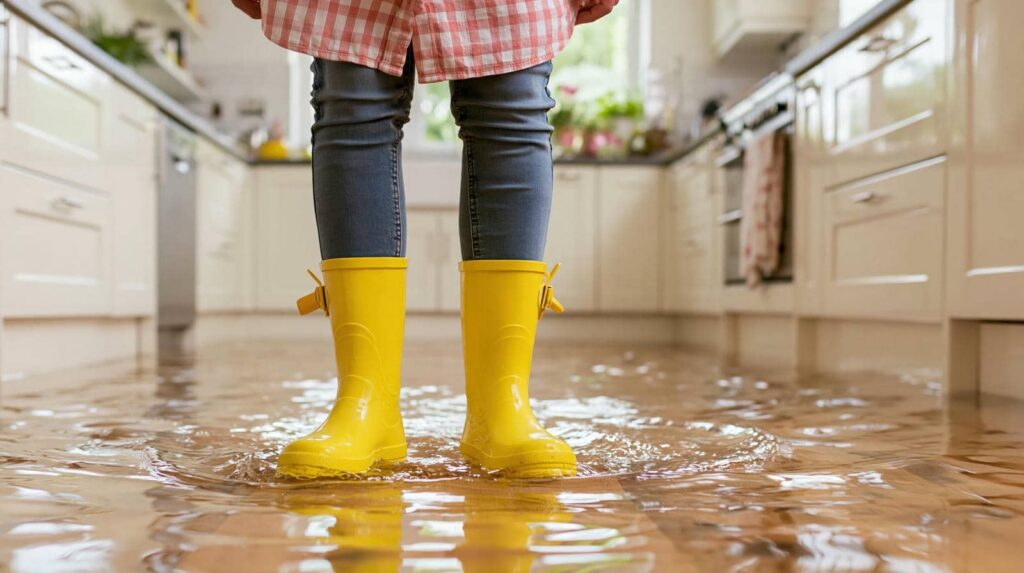
Flood Damage Cleanup should begin immediately to reduce the impact of water intrusion and prevent long-term damage. Start by stopping the water source and shutting off electricity if it is safe to do so, then remove standing water using pumps or water extraction equipment. Increase airflow with fans and dehumidifiers, and dry flooring, furniture, and other affected materials thoroughly to eliminate hidden moisture. Acting quickly helps reduce the risk of mold growth, structural damage, and costly repairs while protecting the safety and condition of your property.
Key Takeaways
- Shut off the water and electricity immediately in the flooded area to prevent further damage and safety hazards.
- Remove standing water quickly with pumps or a wet vac, then open windows and run fans or dehumidifiers.
- Lift rugs and furniture for better airflow, and discard soaked materials that cannot be salvaged.
- Inspect damp, hidden spaces for mold behind baseboards, under flooring, and inside walls.
- Wear gloves, goggles, and an N95 respirator when cleaning mold, and dry the area completely afterward.
Stop Flood Damage and Dry the Area
As soon as it’s safe to enter, stop the water source and shut off electricity to the affected area to prevent further damage and hazards.
Next, remove standing water with pumps, wet vacs, or professional water extraction equipment. Open windows if weather allows, and run fans and dehumidifiers to speed evaporation. Lift rugs, furniture, and removable items so air can circulate underneath.
You’ll protect your space faster when you act methodically and keep each step focused. Discard soaked materials that can’t dry quickly, and separate salvageable items for cleaning.
Apply preventive measures now by checking drains, seals, and appliances for failure points. Stay alert, work safely, and move room by room so your cleanup team can restore the area with confidence together.
Look for Hidden Black Mold
Once the visible water is gone, inspect for hidden black mold in damp, enclosed spaces where moisture can linger.
Check behind baseboards, under flooring, inside wall cavities, and around HVAC ducts, because these areas trap humidity and support growth.
Use mold inspection techniques like a flashlight, moisture meter, and your nose to find musty odors or staining.
If you spot fuzzy patches, discoloration, or warped materials, mark the area and keep others out of it.
Stay alert for allergy symptoms that signal hidden contamination.
Your mold prevention strategies should focus on keeping surfaces dry, improving airflow, and fixing leaks fast.
When you and your crew stay methodical, you protect the whole space and make cleanup safer for everyone.
Remove Black Mold Safely
If you confirm the mold is isolated and the area is dry enough to work, remove it with proper protection and containment.
Wear gloves, goggles, and an N95 respirator, then seal off the room with plastic sheeting and negative pressure if you can.
Wet the affected material lightly to limit spores, and use cleanup techniques that cut and lift growth instead of scrubbing it dry.
Bag porous items that can’t be restored, and discard them right away.
Clean hard surfaces with detergent and water, then apply an approved antimicrobial product.
Dry the area completely with fans and dehumidifiers.
Keep air moving, watch for lingering odor, and inspect nearby materials.
These steps support mold prevention and help your crew work safely together.
Frequently Asked Questions
How Soon Should Flood Cleanup Begin After Water Intrusion?
You should start flood cleanup within 24 hours, ideally immediately, to limit mold and structural damage. Use water removal techniques first, then deploy drying equipment options quickly so you protect your space and belong to a safe home.
What Safety Gear Is Needed Before Entering a Flooded Area?
You need flood safety gear before entry: rubber boots, gloves, eye protection, and a respirator. Wear protective clothing, long sleeves, and waterproof coveralls. You’ll reduce exposure, stay safe, and work confidently together.
Can Electricity Be Safely Restored During Flood Cleanup?
No, you shouldn’t restore power, test circuits, or reset breakers until electrical safety is confirmed and the restoration process is complete; you’ll protect your team, your space, and your recovery by waiting for a licensed electrician.
Which Belongings Should Be Discarded After Flood Exposure?
Discard porous items, flooded electronics, damaged furniture, mattresses, insulation, paper goods, and any food or medication touched by floodwater. You’ll keep safer by tossing anything can’t be fully cleaned, dried, and sanitized.
How Can Sewage-Contaminated Water Be Handled Safely?
You handle sewage-contaminated water by isolating the area, wearing protective gear, and using pumps or wet vacuums. You should dispose of waste properly, then perform water testing and disinfection to control sewage contamination safely.
Recap
When floodwater hits, you need to act fast: shut off power and water, remove standing water, and dry the area with fans and dehumidifiers. You should also check hidden spaces for mold, since mold can begin growing in as little as 24 to 48 hours. If you spot black mold, handle it safely or call a professional. Quick cleanup doesn’t just reduce damage—it also lowers health risks and helps you restore your space sooner.