
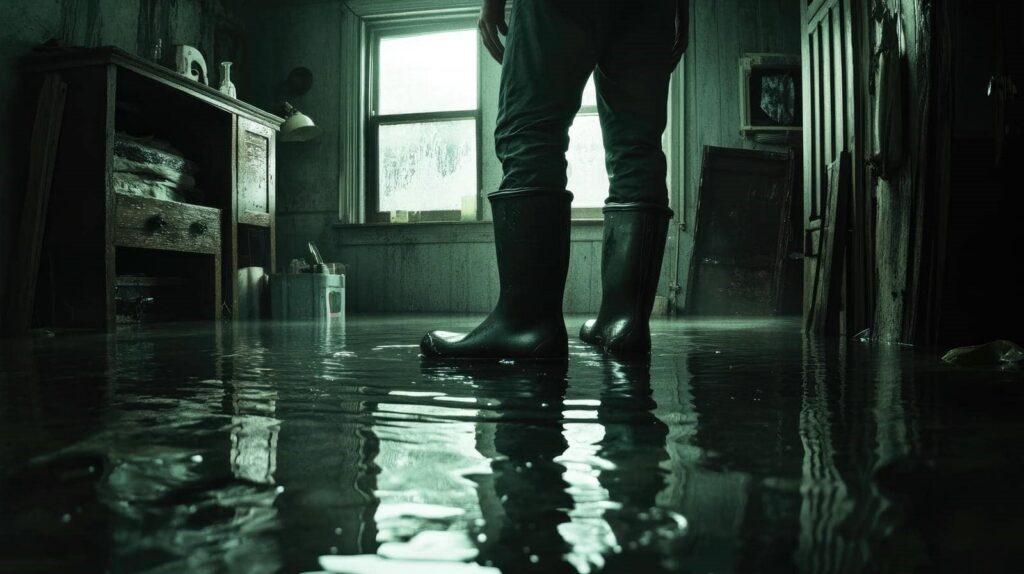
When your basement takes on water, extraction has to come first because every minute lets moisture move deeper into framing, drywall, and flooring. If you wait, you’re not just facing higher repair costs; you’re creating conditions where mold can start within 24 to 48 hours. A fast response also helps expose what’s still wet below the surface, and that hidden damage is where the real problem often begins.
Key Takeaways
- Water extraction quickly removes standing water, preventing it from spreading into walls, floors, and other structural materials.
- Fast extraction limits saturation, reducing the chance of warping, staining, and costly long-term repairs.
- Removing moisture early helps prevent mold growth, which can begin within 24 to 48 hours.
- Thorough extraction reaches hidden dampness under baseboards and behind walls, where surface drying can miss damage.
- Professional water extraction improves safety, efficiency, and recovery compared with limited DIY cleanup.
Why Extraction Comes First
When water enters a basement, extraction has to happen first because standing water continues to spread damage the longer it remains in place.
You need to remove bulk water before you can assess surfaces, protect materials, and guide the rest of the response. Effective extraction techniques let you target pooled areas, hidden pockets, and low spots without stirring up contamination.
You’ll also improve equipment efficiency when you match pumps, vacuums, and hoses to the volume and layout of the space. That means less strain on your tools and cleaner results for your team.
When you start here, you’re not just clearing water; you’re establishing control, reducing uncertainty, and giving everyone involved a reliable path forward.
How Fast Extraction Prevents Damage
Fast extraction limits how far water can migrate into framing, drywall, insulation, and flooring, which is why every minute counts after basement damage. Your quick response helps you protect structure, finishes, and equipment before saturation deepens.
When you act fast, you’re using preventative measures that reduce repair scope and preserve safer conditions for your home and family.
- Remove standing water before it wicks upward.
- Target trapped moisture under baseboards and behind walls.
- Keep materials from swelling, delaminating, or warping.
- Restore normal drying conditions sooner.
You don’t need to guess; you need a disciplined extraction plan. That’s how you stay ahead of hidden damage and keep your basement recovery on track with your crew, your insurer, and your peace of mind.
When Mold Starts After Basement Flooding
Once floodwater lingers in a basement, mold can begin developing within 24 to 48 hours, especially on porous materials like drywall, insulation, carpet, and wood framing.
You’re dealing with mold growth when moisture stays trapped, humidity rises, and temperatures support spores already in the air. You can’t rely on surface drying alone; hidden dampness inside cavities keeps colonies active.
Act quickly, and you’ll protect your space and the people who live there. Use prevention strategies such as prompt water removal, dehumidification, and continuous monitoring of damp areas.
If you smell a musty odor or see spotting, treat it as a warning sign. Your home’s recovery starts with fast action, so you can get back to a safer, healthier basement environment.
What Water Extraction Removes From Basements
Water extraction removes standing water from your basement before it can spread into flooring, walls, and structural materials.
It also pulls hidden moisture from porous surfaces and trapped spaces that standard cleanup can’t reach.
Standing Water Removal
Pumping out standing water is the first critical step in basement cleanup because it removes the bulk liquid that can keep saturating floors, wall framing, insulation, and stored contents.
You stop water damage from spreading, and you make every later extraction technique work faster. In practice, you’ll see a team clear water from:
- low spots around drains
- carpeted edges and seams
- pooled areas beneath shelving
- corners where runoff collects
This immediate removal restores access, reduces slip hazards, and lets your crew assess what’s salvageable.
You’re not just draining a basement; you’re taking control of the space with your neighbors, your family, and your home in mind.
Quick pumping also limits cleanup time and helps your recovery feel manageable.
Hidden Moisture Control
Even after visible flooding is gone, moisture still hides in porous materials, cavities, and finishes, so effective extraction has to target what you can’t see as well as what you can.
You need moisture detection tools to find damp framing, insulation, subfloors, and wall voids before they support mold or decay. A careful humidity assessment helps you confirm whether the space is truly drying or still releasing trapped vapor.
Professional water extraction removes this hidden load by pulling water from carpet backing, cracks, and concrete pores, then reducing indoor humidity so air movers and dehumidifiers work efficiently.
When you address hidden moisture early, you protect your basement, your home’s structure, and your peace of mind.
You’re not dealing with this alone; the right process keeps your space safe, dry, and ready to rebuild.
Why DIY Basement Removal Falls Short
Although a wet basement may look manageable at first, DIY removal often falls short because you usually can’t extract hidden moisture trapped behind walls, under flooring, or inside insulation.
You may face:
- DIY pitfalls that leave damp materials in place.
- Safety concerns from slippery surfaces and electrical hazards.
- Equipment limitations that reduce suction and airflow.
- Time constraints that let moisture spread.
Those gaps create cost implications later, because missed water can drive mold growth and structural damage.
You also face health risks when spores and bacteria linger.
Professional benefits matter here: trained crews use calibrated tools to improve efficiency and verify dryness.
If you’re trying to protect your home and fit in with neighbors who value reliable recovery, you need a method that actually finishes the job.
What Pros Do During Emergency Extraction
When a basement floods, pros move fast to stop further damage and get the water out in a controlled sequence. You’ll see an emergency response team assess hazards, shut off power if needed, and map the water path.
Then they deploy professional equipment such as submersible pumps, truck-mounted extractors, and weighted vac tools to remove standing water quickly. They also monitor moisture in wall cavities, flooring, and framing so they can target hidden pockets before mold starts.
As they work, they protect salvageable items and set up containment to keep contamination from spreading. You’re not left guessing; you get a clear plan, measured progress, and a crew that knows how to restore order.
That’s what skilled extraction looks like when your home needs help.
Frequently Asked Questions
How Do You Know if Basement Water Reached Hidden Wall Cavities?
You’ll know hidden wall cavities likely got wet if you spot hidden moisture, musty odors, swelling, or discoloration after a wall inspection. Use a moisture meter; if readings stay high, you’ve got trapped water inside.
Can Extraction Help Preserve Flooring Materials After Flooding?
Yes, you can preserve flooring materials with fast extraction. You’ll reduce swelling, delamination, and mold risk, improving flooring preservation and material restoration. Act quickly, remove trapped water, and dry layers thoroughly before replacement decisions.
What Equipment Is Used to Remove Water From Finished Basements?
You’ll use sump pumps, portable extractors, water vacuums, and dehumidifiers to remove water from finished basements. You’ll target standing water, pull moisture from carpets, and speed drying, so you can protect your space and belongings.
How Does Extraction Affect Basement Air Quality Afterward?
Extraction lowers moisture levels, so you’re less likely to breathe airborne contaminants like mold spores and dust. You’ll improve ventilation, stabilize indoor air, and protect your finished basement’s comfort, safety, and shared family space.
Should Utilities Be Shut off Before Water Extraction Begins?
Yes—if water’s near electrical, gas, or HVAC systems, you should shut utilities off first for utility safety. You’ll also improve extraction timing by preventing shocks, leaks, and equipment damage. Contact professionals before restarting anything.
Final Thoughts
When basement damage hits, why wait while water keeps moving into walls, flooring, and framing? You need extraction first because standing water drives moisture deeper, increases structural risk, and accelerates mold growth within 24 to 48 hours. Quick removal limits hidden saturation, protects indoor air quality, and reduces repair costs. Professional extraction reaches what you can’t see, so you restore the space faster, safer, and with less long-term damage.