
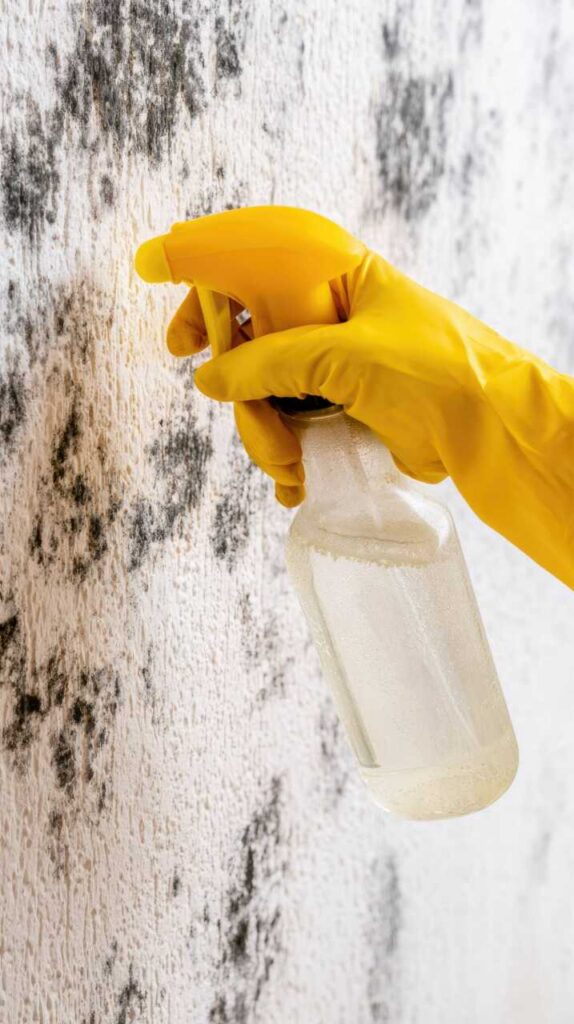
If a pipe bursts in your kitchen at 2 a.m., you don’t have time to guess. To prevent damage, shut off the water, cut the power if needed, and start documenting the damage right away. Then move quickly to remove standing water, dry affected surfaces, and check for hidden moisture before mold has a chance to develop. Taking the right steps early can help save you money, time, and the cost of a much larger repair.
Key Takeaways
- Stop the damage source immediately by shutting off water, electricity, or gas if needed and safe.
- Document all damage with photos, videos, notes, and receipts before cleanup starts.
- Remove standing water quickly using towels, mops, or a wet vacuum.
- Dry the area fast with fans, open windows, and dehumidifiers to prevent mold.
- Inspect for mold within 48 hours, isolate affected areas, and keep humidity below 60%.
Stop the Water and Cut Power
Before you do anything else, stop the water at the main shutoff valve and cut power to the affected area if it’s safe to do so. This water shutoff limits spreading damage and gives you a better chance to regain control fast.
If you’re unsure where the valve is, check your home’s utility labels or ask someone who lives with you. For power disconnection, switch off the breaker for the wet zone, not the whole house unless you must.
Don’t touch standing water near outlets, cords, or appliances. If you smell gas, leave immediately and call your utility company.
Once the area is safe, you can focus on the next steps with confidence. You’ve got this, and acting quickly helps protect your space and everyone in it.
Document Damage Before Cleanup
Once the water’s off and the area is safe, take clear photos and videos of every affected room, item, and surface before you clean up or move anything.
Capture wide shots and close-ups so your damage assessment shows the full story. Write down what you see, when you found it, and which belongings were hit.
This document preservation helps you track losses, support insurance claims, and stay organized if repairs take time.
Keep receipts, inspection notes, and any messages from contractors in one folder. If you can, back up files online so you don’t lose them.
You’re not handling this alone; careful records give you a stronger voice and make the next steps easier for everyone involved.
Remove Standing Water Fast
Start removing standing water as soon as it’s safe so it doesn’t spread, soak deeper into materials, or lead to mold. You’ve got this, and quick removal helps protect your space before small problems grow. Use the fastest method that fits the amount of water and keep moving until the area’s clear.
- Turn off power if water is near outlets.
- Use a wet vacuum, mop, or towels.
- Empty buckets before they overflow.
- Check hidden corners and edges for standing water.
Work from the outside in so you don’t push water farther. If you’re part of a team, assign one person to extract water and another to carry full containers.
Stay focused, act fast, and keep the area safe.
Dry Wet Walls and Floors
After the standing water is gone, dry the walls and floors as quickly as you can to limit swelling, staining, and mold growth.
Wipe hard surfaces with clean towels, then replace wet cloths often so you’re not spreading moisture around. If drywall or baseboards feel damp, gently blot them and check hidden corners, trim, and seams.
Lift rugs, mats, and furniture feet so trapped moisture can escape. Use fans to speed drying, and keep an eye on materials that stay cool or dark, since they may still hold water damage.
If flooring starts to cup or peel, act right away. These prevention tips help you protect your space and stay ahead of bigger repairs.
You’re not just drying a room—you’re helping your home bounce back faster.
Open Windows and Boost Airflow
Open windows whenever the weather allows so fresh air can move through the room and help carry out lingering moisture.
You’ll feel better knowing you’re taking simple steps that protect your home and your peace of mind. Good airflow supports better air quality and speeds drying without much effort.
Try these ventilation strategies:
- Open opposite windows to create cross-breezes.
- Run fans to push stale air outside.
- Keep interior doors open so air can circulate.
- Check rooms often and adjust openings as conditions change.
You don’t need fancy tools to make progress. Just keep air moving, stay attentive, and let the space recover faster with less stress.
Pull Up Wet Carpets and Pads
Lift wet carpets and padding as soon as you can to stop moisture from lingering under the floor. You’ll slow mold growth and give your space a better chance to recover.
Start carpet removal at the edges, then roll the material back carefully so you don’t spread dirt or soak nearby areas. If the pad is saturated, separate it from the carpet and move straight to padding disposal in sealed bags.
Wear gloves, and keep your team focused on one room at a time. Set the carpet aside where air can reach it, and check the floor for standing water.
Acting quickly helps you protect your home, stay organized, and feel in control while you clean up together.
Check Hidden Moisture Behind Walls
Look for wall stains, peeling paint, swelling, or a musty smell, since these can signal hidden moisture.
You can also use a moisture meter to check behind walls and confirm where water’s trapped.
Catching these signs early helps you stop damage before it spreads.
Spot Wall Moisture Signs
Even when a wall looks fine on the surface, hidden moisture can still cause damage behind it. You can stay ahead by watching for small changes during wall inspections and tracing likely moisture sources before they spread.
Look for these signs:
- Bubbling paint or soft drywall
- Musty odors near trim or outlets
- Stains, streaks, or dark patches
- Warped baseboards or peeling wallpaper
Trust your senses and act fast if something feels off. When you spot a change, check nearby plumbing, windows, and exterior walls for leaks or damp spots.
Quick attention helps you protect your space, keep your home comfortable, and avoid joining the crowd that discovers damage too late. Your home deserves that care, and so do you.
Use Moisture Detection Tools
Use a moisture meter or thermal camera to check for hidden dampness behind walls when surface clues suggest a problem. You’ll spot trouble early, before it spreads to framing, insulation, or paint.
Compare readings across nearby areas so you can tell if one wall holds extra water. Track humidity levels, too, because rising indoor moisture often points to a leak, poor ventilation, or a past spill that didn’t fully dry.
If your moisture meters show a hot spot, mark it and inspect plumbing, windows, and roof lines nearby. You don’t need to guess alone; these tools help you join the group of homeowners who catch issues fast and protect their spaces.
When readings stay high, call a pro before hidden damage grows.
Disinfect Affected Surfaces
After you remove the visible mess, disinfect the affected surfaces to help stop germs from spreading. Choose cleaning products that match the surface types, and follow the label so you don’t cause more damage. Your sanitizing techniques should be simple and consistent, so everyone in your home can help with confidence.
- Wear gloves before you start.
- Apply the disinfectant evenly.
- Let it sit for the full contact time.
- Wipe dry with a clean cloth.
Focus on high-touch spots like counters, handles, and switches. If a surface is delicate, test a small area first. Keep the space ventilated, and replace cloths or sponges when they’re dirty.
When you work together and act quickly, you protect your home and help your household feel safer.
Inspect for Mold Within 48 Hours
Within 48 hours, inspect damp areas for mold so you can catch growth early and limit damage.
Check under sinks, behind baseboards, around windows, and inside closets where moisture lingers. Look for dark spots, musty odors, or fuzzy patches, and trust your senses if something feels off.
Open doors and windows when you can to improve air quality while you work.
If you find mold, clean small areas quickly and dry the space fully. Wear gloves and a mask if dust or spores bother you.
This simple habit supports mold prevention and helps your home stay healthy for everyone inside.
When you act fast, you protect your space, your comfort, and the people who count on you.
Call a Mold Remediation Pro Early
If mold keeps spreading, call a mold remediation pro early so the problem doesn’t get worse. You’ll protect your home faster, and you’ll feel less alone dealing with it. A pro can give you a professional assessment, identify hidden growth, and suggest mold prevention strategies that fit your space.
- Stop the source of moisture right away.
- Limit access to affected rooms.
- Document damage before cleanup starts.
- Ask for a clear remediation plan.
Early help can save you time, money, and stress. It also helps your household stay safe while the team handles the mess.
When you act quickly, you join the homeowners who don’t wait for small issues to become major repairs.
Frequently Asked Questions
How Do I Know if My Water Damage Is Covered by Insurance?
Check your policy for water damage and insurance coverage details, then call your insurer. You’ll know it’s covered if the cause matches listed perils, like sudden pipe bursts, and your claim gets approved.
What Items Should I Move to Prevent Further Damage?
Moveable furniture, valuable electronics, rugs, and paper items should you move first. Lift them onto dry surfaces or higher ground, and keep them away from leaks. You’ll protect your belongings and feel more in control.
Can I Safely Stay in My Home After Flooding?
You can stay only if flood safety checks out and a quick home assessment shows no electrical, structural, or contamination risks. If water’s still rising or you smell gas, leave now and call authorities.
Which Tools Help Detect Moisture Behind Walls?
You can use moisture meters and thermal cameras to spot hidden dampness behind walls. You’ll also want a pinless meter and infrared thermometer; together, they help you check trouble spots confidently and protect your home.
When Should I Call a Plumber Instead of Cleanup Services?
Call a plumber when you’ve got plumbing emergencies or signs leaks, like burst pipes, sewage backups, or no water. Choose cleanup services for drying, sanitizing, and debris removal after the plumber stops the source.
Summary
When water hits, every minute counts—you can stop damage before it spreads. Shut off water and power, document the mess, then remove standing water and dry surfaces fast. Open windows, check hidden moisture, and disinfect where needed. If mold can grow in 48 hours, don’t wait. With quick action and a little luck, you’ll protect your home, your health, and your peace of mind before a small leak turns into a bigger disaster.