
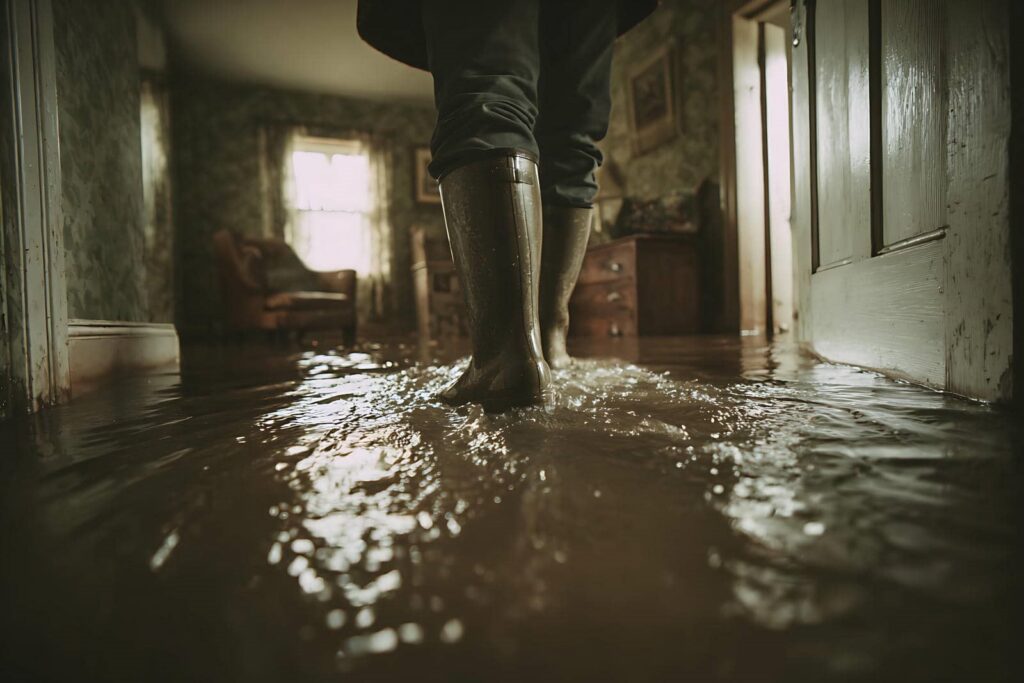
To restore water damage quickly, you need to act in a precise order. Shut off the water source first, then remove standing water with pumps or a wet vac. Open windows, run fans, and use dehumidifiers to keep humidity down. If the damage is widespread or hidden, call emergency restoration pros before mold sets in. The next steps can determine how much you’ll save.
Key Takeaways
- Shut off the water source immediately to stop further damage.
- Remove standing water quickly with pumps, wet vacs, mops, or towels.
- Call emergency restoration professionals for extensive, contaminated, or electrical water damage.
- Dry the area fast with fans, dehumidifiers, and open windows to prevent mold.
- Inspect, remove, and replace damaged materials, then document repairs for insurance.
Stop Water Damage at the Source
Shut off the water at the source immediately to prevent further damage. You’ll protect your home faster when you isolate the supply valve or main shutoff, then confirm the leak has stopped.
Use leak detection to trace wet spots, dripping fittings, and hidden seepage behind cabinets, under sinks, and near appliances. If the source is a fixture, turn its supply valve clockwise until it stops; if it’s the main line, close that valve fully.
Next, remove standing water from around the area so moisture can’t spread. Keep your team focused by checking adjacent rooms for new dampness.
Consistent plumbing maintenance helps you catch worn seals, loose connections, and corroded lines before they fail, so you stay ahead of damage and keep your space safe.
When to Call Emergency Restoration Pros
Call emergency restoration pros when the water damage is extensive, fast-moving, or involves contaminated water that you can’t safely handle yourself.
You should also call if water has reached electrical systems, wall cavities, or structural materials. A licensed team can assess hazards, document losses, and protect your insurance coverage with clear reports and photos.
Acting early helps shorten the restoration timeline and reduces hidden damage that can spread behind finishes. If you smell sewage, see discoloration, or notice sagging surfaces, don’t wait.
You’ll get coordinated drying, sanitation, and repair planning from people who do this every day, so you’re not facing a complex loss alone. Fast expert support keeps your home safer and helps you move forward with confidence.
Remove Standing Water Quickly
Pump out or soak up standing water as soon as it’s safe to do so, because the longer it sits, the more it wicks into drywall, flooring, trim, and subfloors.
Use a wet vac, sump pump, mops, towels, or extraction equipment to remove water fast from every accessible area. Start at the lowest point and work toward exits so you don’t spread contamination.
Move furniture only if you can do it safely, and keep a clear path for water extraction. As you work, document what you see for damage assessment: warped materials, stained walls, and soaked baseboards.
If water keeps returning, stop and check for the source. You’re not alone in this—fast action helps your space stay recoverable and sets up the next cleanup step.
Dry the Home Before Mold Starts
Once the standing water is gone, dry the structure fast to keep mold from taking hold. Open windows if outdoor air is dry, and run fans to move air across walls, floors, and hidden cavities.
Use dehumidifiers for steady humidity control, and keep indoor moisture below 50% when you can. Pull back wet rugs, furniture, and baseboards so air reaches trapped spots.
Remove soaked insulation if it stays damp, because it slows mold prevention. Check closets, cabinets, and under sinks, since still air lets moisture linger.
Measure moisture with a meter, and keep drying until readings return near normal. Work as a team, stay consistent, and you’ll protect your home and your crew from avoidable damage.
Repair Water Damage and Restore Your Home
After the structure is dry, inspect every affected material and remove anything that has warped, delaminated, or stayed contaminated, including drywall, insulation, trim, and flooring.
You’ll rebuild in layers, starting with framing checks, fastener replacement, and antimicrobial treatment on cleaned surfaces. Match new materials to the original thickness so finishes line up and your home feels whole again.
Replace damaged wiring, outlets, or pipes only through licensed pros, then seal gaps and joints to stop hidden leaks. Document each repair with photos, receipts, and dates for insurance claims.
Add preventive measures like upgraded caulk, improved drainage, and leak alarms so you’re ready for the next storm. When you work methodically, you restore safety, comfort, and trust in your space.
Frequently Asked Questions
How Do I Tell if Water Damaged My Electrical Outlets?
Check your outlets for discoloration, rust, swelling, or a burning smell after nearby water sources. During outlet inspection, if you spot mold growth or feel heat, shut power off immediately; electrical safety comes first.
Can I Stay in My Home During Water Damage Restoration?
Usually, you can stay home if crews contain the damage; about 98% of rooms may remain usable. You’ll need safety precautions, though. If mold, sewage, or electrical hazards exist, choose temporary housing and follow professionals’ guidance.
What Items Should I Save After Water Damage?
You should save dry, structurally sound furniture and any recoverable documents first; prioritize furniture salvage and document recovery. Keep photos, electronics, and sealed items if undamaged. Discard soaked porous materials, contaminated textiles, and warped papers.
How Long Does Insurance Usually Take to Cover Water Damage?
Usually, you’ll see coverage in 1 to 4 weeks, though complex insurance claims can take longer. You should file fast, document damage, and review coverage limits so you’re not left waiting or excluded.
Which Smells Indicate Hidden Water Damage Behind Walls?
Like a basement whisper, a musty odor often signals hidden water damage behind walls. You’ll also notice earthy, stale, or mildew smells, which can indicate mold growth. Trust your nose and inspect promptly.
Summary
To restore water damage quickly, you need to act fast and keep your eye on the ball. Shut off the source, remove standing water, and dry affected areas with fans and dehumidifiers right away. If damage is extensive or contaminated, call emergency restoration pros. Then inspect, remove compromised materials, and document every repair for insurance. The faster you respond, the less likely mold, structural damage, and costly setbacks are to spread.