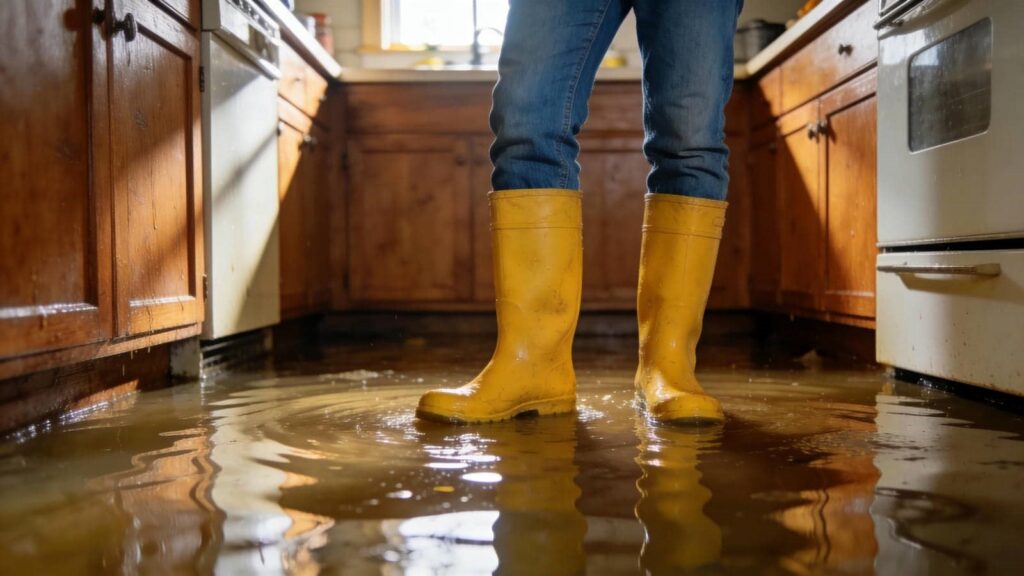
Have you ever considered the hidden dangers lurking after a water leak cleanup? Managing risks is essential to ensure a safe indoor environment, as moisture can lead to mold growth and health hazards. You must understand how to identify these risks and implement effective strategies. From evaluating structural integrity to monitoring air quality, each step plays an important role in safeguarding your space. The next steps could be critical in protecting your health and property.
Key Takeaways
- Promptly dry and sanitize affected areas to prevent mold growth and waterborne pathogens.
- Monitor indoor humidity levels between 30-60% using dehumidifiers and air quality sensors.
- Conduct safety inspections for structural integrity and engage professionals for thorough evaluations.
- Utilize air purifiers with HEPA filters to remove airborne contaminants and improve air quality.
- Hire licensed electricians to assess any electrical hazards before re-entering affected areas.
Understanding the Health Risks of Water Damage
Although water damage may seem like a minor inconvenience, it can pose significant health risks if not addressed promptly and thoroughly. When water infiltrates your space, it creates an ideal environment for waterborne pathogens to thrive. These microorganisms can lead to serious illnesses, particularly if you or your family have compromised immune systems.
Moreover, stagnant water can contribute to respiratory issues, as it often fosters mold growth, releasing spores into the air. Breathing in these spores can trigger allergies, asthma, and other respiratory complications.
To protect your health, it’s essential to act quickly. Make certain all affected areas are dried completely and sanitized to eliminate potential contaminants.
Consider hiring professionals who specialize in water damage restoration, as they have the expertise and equipment to address these risks effectively. Prioritizing your well-being will safeguard your health and create a safe, welcoming environment for everyone in your home.
Identifying Hidden Mold Growth
To effectively identify hidden mold growth, you need to recognize the signs of its presence, such as musty odors and discoloration on surfaces.
Employing mold testing methods, like air sampling and surface swab tests, can provide definitive evidence of mold contamination.
Addressing these factors promptly is essential to mitigate health risks and prevent further damage.
Signs of Mold Presence
When you’ve experienced a water leak, recognizing the signs of mold presence is essential to maintaining a safe environment.
Look for visible mold growth, often appearing as black, green, or white spots on walls and ceilings. Musty odors are another clear indicator of hidden mold.
Utilize mold detection techniques such as moisture meters to identify damp areas that may harbor mold. If you’re experiencing unexplained health issues, it could also signal mold presence.
Remember, timely intervention is vital; explore mold remediation options promptly to address the issue effectively.
Taking these steps protects your health and fosters a sense of community well-being, as you contribute to a safe living environment for everyone.
Mold Testing Methods
After identifying signs of mold presence, it’s important to employ effective mold testing methods to confirm hidden mold growth.
One reliable approach is using mold sampling techniques, where you collect samples from surfaces or air to identify specific mold species. Surface sampling often involves tape lifts or swabs, while air sampling utilizes spore traps to gather airborne mold particles.
An air quality assessment is essential, as it helps determine the concentration of mold spores in your environment. Both methods provide valuable data, allowing you to understand the extent of the problem.
Assessing Structural Damage and Safety
Although water leak cleanup is essential, evaluating structural damage and safety is equally critical to ensure long-term integrity.
Begin by conducting thorough safety inspections of affected areas. Look for signs of weakened structural integrity, such as sagging ceilings, cracked walls, or warped floors. These indicators can suggest more severe issues that may compromise safety.
Next, assess the materials impacted by the leak. Wood elements, for example, may require replacement if they’ve absorbed significant moisture, leading to deterioration. Pay special attention to load-bearing structures, as their failure can pose serious risks.
Engaging professionals for detailed evaluations can provide you with peace of mind and assure compliance with safety standards.
Regular follow-ups on the structural status can help maintain safety and integrity over time. Remember, prioritizing these assessments safeguards your property and protects everyone who uses the space.
The Importance of Proper Ventilation
Ensuring proper ventilation is an essential step in the aftermath of water leak cleanup, especially after evaluating structural damage and safety. Effective air circulation helps to mitigate moisture, preventing mold growth and structural degradation.
You should implement various ventilation techniques, such as opening windows, using exhaust fans, and strategically placing dehumidifiers throughout the affected area.
By maximizing airflow, you’ll create an environment that promotes drying and reduces humidity levels, which is vital for restoring safety. Consider utilizing industrial-grade fans to enhance air movement, particularly in enclosed spaces.
Additionally, maintaining ventilation during the entire drying process allows for the dissipation of harmful odors and airborne contaminants.
Managing Electrical Hazards
While dealing with the aftermath of a water leak, it’s important to address potential electrical hazards immediately. Water and electricity are a dangerous combination, so taking proactive steps is vital for your safety.
Here are three significant actions you should consider:
Conduct Electrical Inspections: Hire a licensed electrician to assess your electrical system for any damage. They can identify risks that you might overlook.
Follow Safety Protocols: Before entering affected areas, confirm power is shut off at the main circuit breaker. This minimizes risk while you evaluate the situation.
Monitor for Signs of Damage: Look for frayed wires, burnt outlets, or unusual smells. If you notice anything suspicious, contact a professional immediately.
Protecting Personal Belongings
To protect your personal belongings after a water leak, it’s essential to act quickly and methodically.
Begin by evaluating the damage and creating a valuable inventory of affected items. Document everything with photographs and notes to support any insurance claims.
Next, identify items that are salvageable and those that need disposal. For items that can be saved, use protective storage solutions such as waterproof bins or vacuum-sealed bags. This prevents further damage and keeps your belongings organized during the cleanup process.
Carefully clean and dry each item, ensuring that they’re free from mold or mildew, which can develop rapidly in damp conditions.
Consider consulting professionals for high-value items like electronics or artwork, as they require specialized care.
Preventing Pest Infestations
After securing your personal belongings, it’s important to address the risk of pest infestations that can arise from lingering moisture and debris.
Effective moisture management is essential in preventing pests from making your home their habitat. Here are three key strategies to take into account:
Thorough Cleaning: Remove all standing water and thoroughly clean the affected areas. Use dehumidifiers to reduce humidity levels, making your space less inviting to pests.
Seal Entry Points: Inspect your property for cracks, gaps, or openings. Seal these entry points to prevent pests from infiltrating your home.
Regular Pest Control: Schedule routine pest control services to proactively manage any potential infestations. Early intervention can save you significant damage and stress.
Monitoring Air Quality
After a water leak cleanup, you must prioritize air quality to ensure a safe environment.
Testing for contaminants like mold spores and volatile organic compounds is essential to identify potential health risks.
Implementing ongoing monitoring techniques will help you maintain peak air quality and address any issues promptly.
Importance of Air Quality
While addressing water damage, it’s essential to monitor air quality closely, as lingering moisture can lead to the growth of mold and bacteria, severely impacting indoor environments.
To ensure a healthy space, consider implementing the following strategies:
Air Purification: Utilize air purifiers equipped with HEPA filters to effectively remove airborne contaminants and allergens.
Humidity Control: Maintain indoor humidity levels between 30-60% using dehumidifiers, which helps prevent mold growth and improves comfort.
Regular Monitoring: Invest in an air quality monitor to track levels of pollutants and humidity, allowing you to take prompt action if conditions worsen.
Testing for Contaminants
To ensure a safe indoor environment post-water leak cleanup, it’s vital to test for contaminants that may have entered the air. Contaminant sources can include mold spores, bacteria, and volatile organic compounds (VOCs), which can pose health risks.
Begin by identifying potential sources and deciding on the appropriate testing procedures. This often involves air sampling using specialized equipment that captures airborne particles. You may also consider surface testing to detect hidden mold or bacteria.
After collecting samples, send them to a certified laboratory for analysis. Understanding the results will help you determine necessary remediation steps, ensuring your space remains healthy and free from harmful contaminants.
Don’t overlook this vital step to protect yourself and your loved ones.
Ongoing Monitoring Techniques
Once contaminants have been identified and addressed, ongoing monitoring of air quality becomes imperative to secure a safe environment.
Regular checks help you stay informed about any potential risks. Here are three effective techniques for air quality monitoring:
Ongoing Inspections: Schedule routine assessments to identify any changes in air quality or lingering contaminants.
Moisture Detection: Utilize moisture meters to ascertain that humidity levels remain controlled, preventing mold growth and related issues.
Air Quality Sensors: Install sensors that continuously monitor pollutants, providing real-time data to help you take immediate action if needed.
Implementing Long-Term Prevention Strategies
As you begin to implement long-term prevention strategies after a water leak cleanup, it’s vital to assess the underlying causes that led to the incident. Identifying these factors helps you develop effective solutions.
Start with installing water proofing solutions, such as sealants and membranes, to prevent moisture intrusion. These materials create a barrier that protects your property from future leaks.
Consider incorporating flood barriers in vulnerable areas, especially if your property is prone to flooding. These barriers can greatly reduce water damage risks during heavy rainfall or storms.
Regular maintenance checks on plumbing systems and appliances also play an important role; make sure that you replace outdated fixtures and conduct routine inspections.
Lastly, educate your community about emergency response protocols and encourage collective responsibility. By fostering a preventive mindset and utilizing these strategies, you can create a safer environment for everyone.
Frequently Asked Questions
How Long Does It Take for Mold to Appear After a Leak?
Mold can start to grow within 24 to 48 hours after a leak. To ensure effective leak damage prevention, address moisture immediately, and maintain proper ventilation to minimize the mold growth timeline in affected areas.
What Insurance Coverage Do I Need for Water Damage?
About 1 in 50 homeowners file water damage claims yearly. You need coverage options like homeowners insurance, which typically includes water damage, and consider additional flood insurance for thorough protection against unexpected leaks and flooding events.
Can I Use Household Cleaners for Mold Removal?
You can use household cleaners for mold removal, but make certain they’re effective cleaners. Combine mold prevention tips, like ventilation and humidity control, to enhance results. Always follow manufacturer instructions for best safety and effectiveness.
Should I Hire a Professional for Water Damage Cleanup?
You know what they say: “A stitch in time saves nine.” Hiring a professional for water damage cleanup ensures thorough water removal and accurate damage assessment, protecting your home from long-term issues and giving you peace of mind.
How Can I Tell if My Walls Are Still Wet?
To tell if your walls are still wet, conduct a wall inspection using moisture detection tools. Look for discoloration, peeling paint, or a musty smell, which indicate hidden moisture that requires immediate attention.
Recap
In managing risks after a water leak cleanup, you must prioritize safety, promote health, and preserve your home. By addressing mold growth, ensuring structural integrity, and managing electrical hazards, you create a secure environment. By maintaining proper ventilation, monitoring air quality, and protecting your belongings, you enhance comfort and well-being. Finally, by implementing long-term prevention strategies, you safeguard against future issues. Remember, a proactive approach today leads to a healthier, safer tomorrow.