
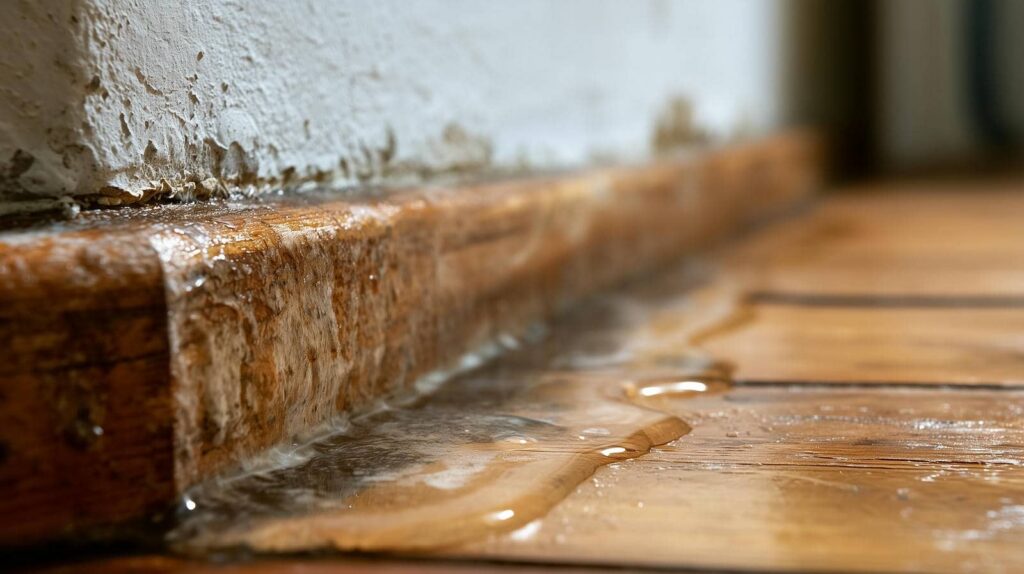
When you restore after moisture damage quickly, you limit how far water can spread into drywall, framing, and finishes. You also reduce the chance of mold, wood rot, and trapped odors that can turn a minor leak into a larger repair. Proper cleanup can recover materials, improve indoor air quality, and help you avoid structural problems that aren’t obvious at first. What happens next often depends on how fast you act.
Key Takeaways
- Fast restoration stops moisture from spreading into walls, insulation, flooring, and framing.
- Quick drying reduces mold growth by removing the damp conditions it needs.
- Restoring damaged materials preserves structural integrity and prevents hidden deterioration.
- Early cleanup limits demolition, repair costs, odors, and disruption.
- Thorough inspection and drying reveal hidden moisture and prevent future problems.
Why Fast Water Damage Restoration Matters
When water damage starts, speed matters because moisture spreads quickly into drywall, insulation, subflooring, and structural framing.
You protect your home best by acting immediately, because delays raise repair costs and reduce recovery options. Fast action lets you isolate the source, remove standing water, and begin moisture control before hidden conditions trigger mold growth or material failure.
You also preserve finishes, reduce odor, and limit the scope of demolition. Clear restoration timelines help you coordinate drying, inspections, and repairs with less disruption.
When you respond quickly, you keep your space safer, more stable, and easier to restore. You’re not just fixing damage; you’re protecting the place where your people belong.
How Water Damage Spreads So Quickly
Water doesn’t stay where it lands; it wicks, seeps, and travels through porous materials, gaps, and gravity-fed pathways faster than most homeowners expect.
You’ll often see moisture migration in drywall, insulation, flooring seams, and framing cavities, where capillary action pulls water far beyond the visible stain.
Water penetration also increases when pressure forces liquid through cracks, nail holes, and unsealed joints.
Once inside, humidity rises, surfaces cool, and condensation can extend the problem into adjacent rooms.
That’s why you can’t judge damage by what you see alone.
If you’re part of a community that values a safe, dry home, you need to check hidden assemblies quickly and systematically, before spread turns a small incident into a broader moisture problem.
What Water Damage Restoration Repairs
Water damage restoration repairs start with structural drying, where you remove standing water, control humidity, and use airflow and dehumidification to bring materials back to safe moisture levels.
You’ll then inspect for mold growth and damaged finishes, since wet drywall, insulation, flooring, and framing often need targeted removal or repair.
After drying, you can replace compromised materials and verify that the structure is stable, clean, and ready for use.
Structural Drying Steps
Structural drying starts by removing standing water, then targeting the moisture trapped in framing, subfloors, insulation, and wall cavities.
You’ll get a structural assessment to map wet zones, verify material saturation, and set the right drying techniques.
Technicians place air movers to accelerate evaporation, then use dehumidifiers to pull vapor from the air and protect adjacent rooms.
They monitor moisture with meters, adjust equipment placement, and track readings until levels match normal conditions.
You stay informed throughout, so you know what’s drying, what’s stable, and what needs more time.
This process helps preserve your home’s structure, limits hidden moisture, and creates a controlled path back to a safe, dry space you can trust again.
Mold And Material Repair
Once the structure is dry, technicians assess what moisture has damaged and what they can save. You’ll get a targeted plan that separates cleanable materials from items that need removal.
They inspect drywall, insulation, flooring, framing, and trim for hidden mold growth, swelling, and delamination. If contamination is limited, mold remediation includes HEPA vacuuming, controlled demolition, antimicrobial treatment, and containment to protect unaffected rooms.
For salvageable components, material restoration focuses on drying, sanitizing, and rebuilding surfaces so your space feels like yours again. You’re not just fixing damage; you’re restoring safety, function, and continuity.
When repairs are precise, you avoid lingering odors, recurring growth, and weak materials that can fail later.
Why Mold Grows After Water Damage
After moisture damage, mold takes hold quickly because damp materials, warm indoor temperatures, and limited airflow create ideal growth conditions.
You can’t rely on surface drying alone; moisture often stays inside drywall, insulation, and framing, giving spores a stable base.
To protect your space and feel confident with your team, use practical mold prevention strategies and moisture control techniques:
- Remove standing water fast.
- Dry porous materials completely.
- Lower indoor humidity below 60%.
- Improve airflow with fans and ventilation.
When you track hidden dampness, you cut off mold’s food source and limit spread.
Precise drying, monitoring, and cleanup help you restore a healthier environment before contamination becomes harder to manage.
What Emergency Water Removal Does
Emergency water removal extracts standing water quickly, reducing the time moisture stays in contact with building materials.
You stop further damage by limiting absorption, swelling, and microbial growth.
You also prepare surfaces for drying by lowering the moisture load before dehumidification and airflow begin.
Fast Water Extraction
Fast water extraction removes standing water quickly to limit further damage to floors, walls, insulation, and contents. You want a team that uses proven water removal techniques and the right extraction equipment for your layout.
They’ll assess the source, map the wet zones, and move in with targeted action.
- Truck-mounted vacuums pull bulk water fast.
- Portable extractors reach tight spaces.
- Weighted tools press moisture from carpet and padding.
- Specialized tools handle hardwood, tile, and cavities.
You’ll get a cleaner, more controlled dry-out that fits the rest of the crew’s workflow.
When you stay with a trained restoration team, you know each pass is measured, efficient, and built for your property’s needs.
Stops Further Damage
When water sits in a structure, it keeps spreading into framing, finishes, and hidden cavities, so emergency removal aims to stop that progression right away. You limit swelling, staining, warping, and microbial growth by removing standing water before it migrates deeper.
Crews use targeted extraction to reduce the area affected, which supports accurate damage assessment and keeps repair scope manageable. This step also helps with moisture prevention by lowering the chance that absorbed materials keep feeding deterioration after the visible water is gone.
When you act quickly, you protect structural components, preserve more of your property, and stay in control of the restoration process. That gives you a clear path forward and helps your team respond with confidence, precision, and less disruption.
Prepares For Drying
By removing standing water and reducing surface saturation, you create the right conditions for effective drying.
You also let your team start a precise moisture assessment, so you can map wet materials, identify hidden pockets, and track progress with confidence.
Emergency water removal doesn’t dry everything by itself, but it prepares the structure for drying equipment to work efficiently and safely.
- You lower humidity fast.
- You expose materials for inspection.
- You shorten drying time.
- You reduce secondary damage risk.
When you act quickly, you protect the space and help everyone involved stay aligned on the next steps.
That’s how you move from emergency response to controlled recovery, with clear priorities and measurable results.
Why Water Extraction Comes First
Water extraction comes first because standing water keeps damaging materials long after the initial leak stops. You need to remove it immediately to limit absorption, swelling, corrosion, and microbial growth.
Your initial response should focus on water extraction, not cosmetics, because every minute of delay increases repair scope and drying time. You’ll protect flooring, drywall, insulation, and contents by removing bulk water with pumps, vacuums, and targeted tools before moisture wicks deeper.
That fast action also helps your team work together with less disruption, since clear priorities reduce confusion and keep everyone aligned. When you act quickly, you create better conditions for the rest of restoration and help your space recover with fewer hidden risks.
How Cleanup Prevents Wood Rot
You need to dry wood quickly after moisture damage so it doesn’t stay wet long enough for decay to begin.
Thorough cleanup also limits mold growth, which helps preserve the material and reduces secondary damage.
When you remove water, debris, and contaminated materials promptly, you protect the structure’s integrity and lower the risk of wood rot.
Drying Wood Quickly
After moisture intrusion, fast cleanup and drying limit how long wood stays wet, which reduces the risk of swelling, mold growth, and rot. You help the structure recover by removing standing water, opening cavities, and using targeted wood drying techniques. Quick action cuts moisture absorption before fibers stay saturated.
Follow these steps:
- Pull up wet materials.
- Ventilate enclosed spaces.
- Position dehumidifiers and air movers.
- Check moisture readings until levels stabilize.
You’ll protect framing, subfloors, and trim when you keep airflow steady and verify dryness with a meter. Don’t trap dampness behind finishes or under insulation.
Work methodically, because every hour counts. When you act fast, you’re part of the repair team that keeps the home sound, dry, and ready for the next phase.
Stopping Mold Growth
Once the wood is dry, you need to stop any remaining moisture from feeding mold colonies, because mold accelerates decay and can lead to wood rot.
You should remove contaminated debris, clean surfaces with an appropriate antimicrobial solution, and dispose of porous materials that can’t be fully sanitized.
Keep the area ventilated so humidity stays low, and inspect hidden corners, seams, and fasteners where dampness lingers.
This mold prevention step protects your home team from health risks linked to spore exposure and helps you avoid recurring cleanup cycles.
If you belong to a crew, coordinate your checks so no wet spot gets missed.
When you act quickly and thoroughly, you cut off the conditions mold needs and keep the repair work from slipping backward.
Protecting Structural Integrity
Even if the surface looks clean, you still need to remove trapped moisture and contaminated material because wet wood loses strength and can start to rot.
You protect the frame by acting fast and verifying every hidden cavity. A thorough structural assessment helps you spot softened joists, swollen sheathing, and fasteners that no longer hold.
Your cleanup should:
- Extract standing water.
- Remove damaged drywall and insulation.
- Dry framing to safe moisture levels.
- Install or repair moisture barriers.
When you finish, inspect again for discoloration, spongy fibers, and odors.
If you keep the assembly dry, you help the home stay stable and you stay part of a crew that values sound construction. That’s how cleanup stops rot before it spreads.
Signs You Need Mold Remediation
How can you tell when moisture damage has progressed into a mold problem? You’ll often spot visible growth on drywall, trim, or framing, especially after leaks or flooding.
Musty odors that persist after drying also signal trouble. If paint blisters, materials stay damp, or stains return, you likely need mold remediation.
During mold detection, you should check hidden areas like baseboards, closets, and under sinks, where moisture lingers.
Don’t ignore recurring coughing, headaches, or irritation, because health risks rise when mold spreads indoors. You belong in a dry, stable space, and prompt action protects that environment.
If contaminated materials keep degrading or you can’t fully dry the area within 24 to 48 hours, call a qualified remediation team for inspection and cleanup.
How Black Mold Hurts Indoor Air
Black mold can degrade indoor air by releasing spores and microbial fragments that circulate through HVAC systems, settle on surfaces, and get inhaled during normal activity.
You’ll notice poorer air quality, more allergy triggers, and greater health risks if indoor humidity stays high. To protect your home and your household, focus on:
- mold removal from contaminated building materials
- ventilation solutions that exchange stale air
- cleaning methods that remove residues without spreading spores
- prevention strategies that keep moisture controlled
You belong in a dry, healthy space, so monitor leaks, run fans, and keep humidity low.
Prompt action reduces long term effects, limits exposure, and helps your rooms feel safer every day.
When to Call Flood Damage Repair Pros
When water damage goes beyond a small cleanup, you should call flood damage repair pros right away.
You need experts when water has reached subfloors, insulation, drywall, or electrical systems, because hidden moisture can keep spreading after visible surfaces dry.
A trained team performs a flood assessment, documents the source, measures saturation, and checks for structural compromise and microbial risk. That data helps you set a realistic repair timeline and avoid costly delays.
If you smell musty odors, see warped materials, or notice staining after pumping out water, don’t wait.
You belong with a crew that knows how to dry, disinfect, and restore safely. Fast action reduces secondary damage, protects indoor air, and gets your space back to normal sooner.
Frequently Asked Questions
How Long Does Moisture Damage Restoration Usually Take?
You’ll usually need three to seven days for moisture damage restoration, but larger losses can take weeks. Your moisture assessment drives the restoration timeline, so you’ll get faster, clearer results when you work with a trusted team.
Will My Insurance Cover Restoration Costs?
Your insurance may cover restoration costs if your policy includes sudden moisture damage; review insurance coverage details and file promptly. During the restoration process, you’ll work with adjusters and contractors to verify losses and approvals.
Can I Stay in My Home During Repairs?
You can sometimes stay, but about 1 in 3 moisture repairs need temporary relocation. You’ll need staying safe first, especially with health concerns like mold, dust, and electrical hazards; your contractor should assess conditions daily.
What Items Can Be Salvaged After Water Damage?
You can often salvageable items like metal furniture, glass, hard plastics, and some sealed electronics if you act fast. Restoration techniques may also save drywall, documents, and textiles, depending on saturation, contamination, and drying speed.
How Do Professionals Detect Hidden Moisture?
You’ll use moisture detection tools like meters and thermal cameras to spot hidden leaks; about 60% of water damage starts unseen. You’ll test surfaces, map readings, and trace anomalies before repairs, so you belong to a safer team.
Wrap-Up
If you restore moisture damage fast, you limit hidden spread, cut repair costs, and protect your structure from mold and rot. Water can begin damaging materials within 24 to 48 hours, so every hour matters. You’ll also reduce odors, improve indoor air quality, and lower health risks for occupants. If you see staining, swelling, or a musty smell, call flood damage repair pros right away so they can remove water and dry affected areas completely.