
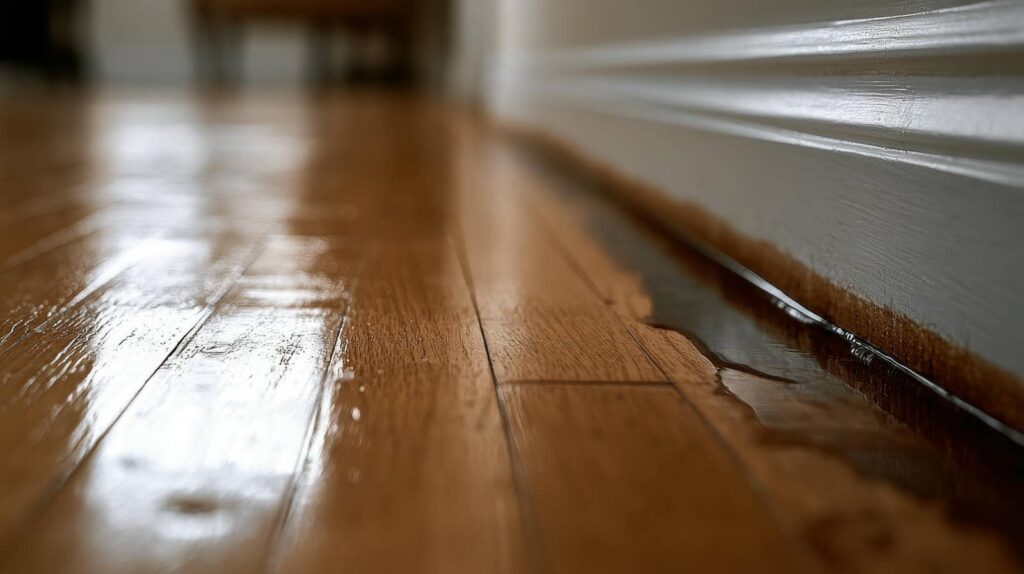
Wet Basement Cleanup starts with identifying and stopping the source of the water before the damage spreads further. Check common entry points such as wall joints, pipe penetrations, and foundation cracks, then remove standing water as quickly as possible. Use fans, dehumidifiers, and proper ventilation to thoroughly dry the space and keep indoor humidity below 60% to reduce the risk of mold growth. Once the area is dry, inspect for signs of mold and hidden moisture to help prevent long-term structural damage and costly repairs.
Key Takeaways
- Stop the water source by repairing leaks, sealing cracks, and clearing drains away from the foundation.
- Remove standing water and wet items immediately, including rugs, cardboard, and other moisture-trapping materials.
- Dry the basement fast with fans, ventilation, and a dehumidifier, keeping humidity below 60%.
- Inspect for mold in damp areas, especially around baseboards, drywall, windows, and pipe penetrations.
- Clean mold safely with protective gear, seal contaminated materials, and prevent future moisture problems.
Stop the Leak and Remove Water
Start by stopping the source of the leak, then remove standing water as quickly as possible.
You need to inspect wall joints, pipe penetrations, window wells, and floor cracks for active seepage. Use leak detection to trace the entry point, and mark each suspect area so you can verify the fix.
If a pipe, valve, or appliance is involved, shut it off and tighten or replace the failing part. For exterior seepage, clear debris from drains and redirect runoff away from the foundation.
After you’ve controlled the source, use pumps, wet vacs, or buckets to limit water damage. Work methodically, and wear gloves and boots so you can stay safe while helping your basement return to normal.
Dry Out the Basement Quickly
Once the leak is under control, you need to dry the basement fast to limit mold growth and material damage. Start by opening windows if outdoor air is drier, then run fans to move air across floors, walls, and corners.
Combine these ventilation techniques with a dehumidifier sized for your square footage; portable units work for small rooms, while high-capacity dehumidifier options handle heavier saturation. Empty the tank or set up continuous drainage so the unit keeps working.
Remove wet rugs, cardboard, and stored items that trap moisture. Raise furniture on blocks to improve airflow. Check humidity with a meter and aim for below 50 percent.
Keep the basement closed to outside rain, and stay consistent so your cleanup crew can restore the space together.
How Do You Spot Black Mold in Basements?
With the basement drying, you can check for black mold by inspecting areas that stayed damp longest, especially along baseboards, drywall, insulation, carpet backing, and the bottoms of stored items.
Look for:
- dark green or black patches
- fuzzy, slimy, or powdery growth
- musty odor that lingers
- staining around leaks or condensation
- warped materials and peeling paint
Compare suspicious spots with other mold types; black mold often appears where airflow was poor and moisture sat trapped.
If you see clusters, document the location and size so you can track changes.
Wear gloves and a mask while you inspect, and keep children and pets out.
Noticing these signs early helps you reduce health risks and stay confident that your basement is part of a safer, drier home.
Clean Up Black Mold Safely
Before you clean black mold, seal off the area by closing doors, turning off HVAC vents, and wearing gloves, goggles, and an N95 respirator so you don’t spread spores or inhale them.
You should keep the space damp with a light mist of water, then scrub visible growth with detergent and warm water. Use disposable cloths or brushes, and place all waste in sealed bags.
For porous materials like drywall or insulation, remove and discard them if mold has penetrated deeply.
During mold removal, work slowly and avoid dry sweeping or vacuuming with a standard unit.
Follow safety precautions by washing hands, changing clothes, and laundering contaminated fabrics separately.
If the affected area is large or the mold keeps returning, bring in trained help.
Prevent Black Mold From Coming Back
To keep black mold from returning, you need to eliminate the moisture source and keep the basement dry. Start with mold prevention by sealing foundation cracks, repairing leaks, and directing water away from walls.
Use humidity control to hold indoor levels below 60%, and run a dehumidifier if readings rise. Check pipes, sump pumps, and window wells weekly so you catch problems fast.
- Measure humidity daily
- Vent clothes dryers outdoors
- Insulate cold pipes
- Clean spills immediately
- Inspect after storms
You belong in a dry, stable basement, so create a routine and stick to it. Dry stored items, elevate boxes, and keep air moving with fans when needed.
If you smell mildew or see condensation, act right away before spores spread.
Frequently Asked Questions
How Much Does Professional Basement Waterproofing Usually Cost?
Usually, you’ll pay about $2,000 to $10,000, depending on cost factors like size, drainage, and damage. Different waterproofing methods—sealants, interior drains, or exterior membranes—change pricing, so you can choose what fits your basement.
Can I Stay in My Home During Basement Cleanup?
Yes, you can stay home if you’ve isolated the work zone; for example, one homeowner remained upstairs while crews used safety precautions and cleanup strategies. You’ll need ventilation, sealed doors, and regular checks.
Should I File an Insurance Claim for Basement Flooding?
Yes, file a claim if your insurance coverage includes water damage. You should document losses, contact your insurer quickly, and review flood prevention steps afterward. That helps you protect belongings and feel supported.
What Items Can Be Saved After Basement Water Damage?
You can often save hard, nonporous items like metal, glass, sealed plastic, and solid wood. Act fast with furniture restoration steps, dry textiles only if clean, and prioritize mold prevention to protect belongings and your space.
How Long Does Basement Cleanup Typically Take?
Usually, you’ll spend 1-5 days on basement cleanup; most delays come from cleanup factors like saturation and mold. You’ll use time estimates to plan drying, removal, sanitizing, and repairs, so you stay connected and prepared.
Recap
In your wet basement cleanup, stop the leak first, then remove standing water and dry the space fast with fans, ventilation, and a dehumidifier. Inspect walls, pipes, and floor cracks for black mold, and clean any growth safely with proper protection. Keep humidity below 60% and check the basement regularly. If you stay methodical, you’ll prevent recurring damage. Remember, an ounce of prevention is worth a pound of cure.