
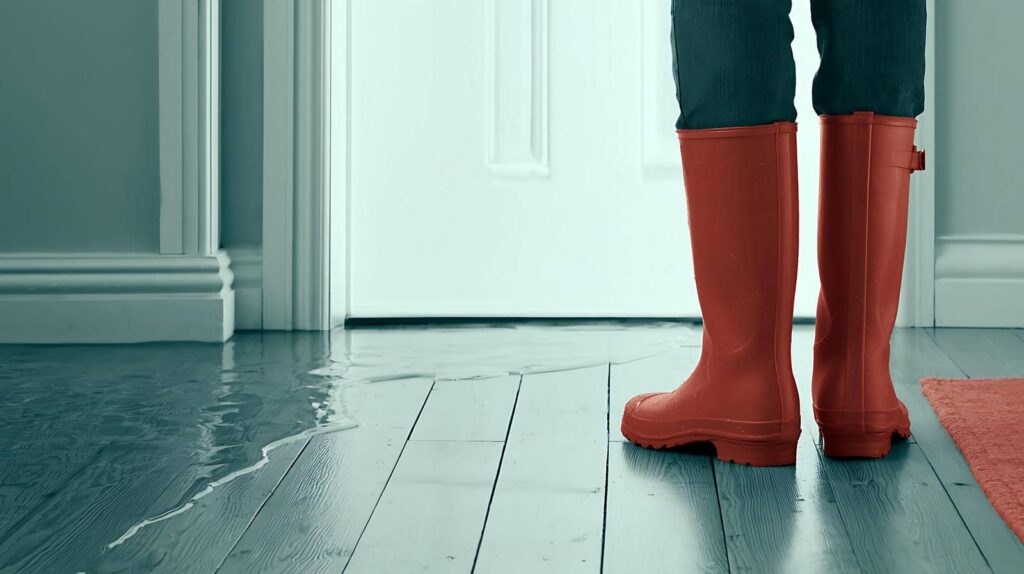
Basement Cleanup should begin as soon as it is safe to enter the affected area to limit water damage and prevent mold growth. Stop the source of the water, remove standing water quickly, and discard any materials that cannot be safely dried or restored. Clean and disinfect hard surfaces, then use fans and commercial-grade dehumidifiers to thoroughly dry the basement and reduce excess humidity. Taking the proper steps early helps prevent structural damage, improve indoor air quality, and avoid more costly repairs later.
Key Takeaways
- Shut off water, redirect runoff, and inspect for leaks, cracks, and sump pump failures before cleanup begins.
- Wear boots, gloves, goggles, and an N95 mask; remove cords and clutter to prevent slips and injuries.
- Pump out standing water, then use wet vacs or mops for shallow moisture and reduce further seepage.
- Remove mold-soaked drywall, carpet padding, and other unsalvageable materials, then bag and seal debris securely.
- Dry the basement fast with fans, open windows, and a dehumidifier, keeping humidity at 30% to 60%.
Stop the Water and Protect the Area
Before you clean up a wet basement, stop the water source as quickly as you can and make the area safe to work in. Shut off the main valve if a pipe failed, and contact your utility if you suspect a line break.
If surface water is entering, redirect it away from foundation walls with temporary barriers and clear gutters and downspouts. Then inspect for cracks, failed seals, or sump issues so you can plan repairs.
Use rubber boots, gloves, and eye protection before you enter. Move cords, stored items, and anything that could trip you.
These water proofing methods and drainage solutions help you protect the space now and reduce repeat damage later. You’re not doing this alone; a dry, stable basement starts with quick, organized action.
Remove Standing Water From the Basement
Check the water depth first so you can choose the safest removal method and avoid overloading equipment.
If the basement has several inches or more of standing water, use a sump pump to discharge it to a proper drain or exterior location.
After the bulk water is gone, mop up the remaining moisture to reduce seepage, limit damage, and speed drying.
Assess Water Depth
Still water can turn a basement cleanup into a much larger repair job, so gauge the depth right away and remove any standing water as soon as it’s safe to do so.
Use a marked ruler, tape measure, or broom handle to confirm how much water you’re dealing with, and note whether the level is rising or staying steady. This quick check supports water source identification, helping you trace leaks, seepage, or backup points before damage spreads.
Protect yourself by cutting power to affected circuits and wearing boots and gloves. Then plan drainage solutions based on the depth, access points, and floor conditions.
Shallow water may be managed with wet vacs, while deeper flooding needs a coordinated response. Keep your team calm, communicate clearly, and work methodically so you all stay safe.
Use A Sump Pump
If the basement has more than a few inches of standing water, a sump pump is usually the fastest way to move it out.
You’ll want to choose from common sump pump types: submersible models sit in the pit and handle larger volumes, while pedestal units keep the motor above water for easier access.
Set the pump in the lowest area, connect a discharge hose, and route water away from the foundation and any entry points. Keep extension cords dry and use a grounded outlet.
Check sump pump maintenance before and after each use: clear debris from the intake, test the float switch, and inspect the check valve.
When you run the pump correctly, you’re protecting your space and helping your cleanup team stay efficient, safe, and ready for the next step.
Mop Remaining Moisture
After the pump finishes, mop up the remaining moisture and remove any shallow standing water from the basement with absorbent towels, a wet/dry vacuum, or a push mop.
You’ll get better results if you start at the farthest corner and work toward the drain or exit, keeping your mop techniques efficient and controlled. Wring or empty tools often so you’re not spreading water back across the floor.
Check seams, cracks, and low spots, then pass over them twice to capture hidden puddles. For moisture management, set fans and a dehumidifier immediately after mopping to speed drying and limit musty odors.
Wear boots and gloves, and keep the area clear so everyone on your cleanup team can move safely and stay on the same page.
Throw Out Mold-Soaked Materials
You need to identify materials that can’t be fully dried or disinfected, including carpet padding, swollen drywall, insulation, and warped particleboard.
Pull these items out promptly so mold doesn’t keep spreading into adjacent surfaces.
Bag the debris in heavy-duty plastic, seal it tightly, and move it out of the basement right away.
Identify Unsalvageable Materials
Even after drying begins, certain basement materials remain unsafe to keep because mold penetrates porous surfaces and weakens structural integrity.
During your mold assessment, inspect drywall, insulation, ceiling tiles, carpet padding, and swollen particleboard with a firm material evaluation. If a piece feels soft, crumbles, stains stay dark, or odors persist, you shouldn’t try to save it. You’re protecting your space, your health, and everyone who uses the basement when you discard items that can’t be fully cleaned.
Check baseboards, paper-backed products, and fabric furnishings for hidden growth behind surfaces and along seams. When moisture has warped or delaminated a material, replacement usually beats repair.
Trust the evidence, not appearances, and remove anything that still holds contamination after drying, because lingering spores can spread fast again.
Bag And Seal Debris
Once you’ve sorted out the materials that can’t be saved, get them out of the basement without spreading contamination. You’re removing mold-soaked debris types, so work methodically and keep the path clear. Use heavy-duty contractor bags, double-bag brittle items, and avoid overfilling them.
Follow these steps:
- Wear gloves, an N95 respirator, and long sleeves.
- Line each bag, place debris in gently, and expel excess air.
- Use tight sealing techniques: twist, fold, and tape the closure before carrying it out.
Move bags directly to an outdoor dumpster or curb pickup area. Don’t drag them across clean surfaces. If an item tears, stop and re-bag it immediately.
Staying organized helps you protect your home and keeps your cleanup crew moving together efficiently.
Dry Wet Basement Surfaces Fast
Start by removing standing water with a sump pump, wet/dry vacuum, or mop so moisture doesn’t keep soaking into concrete, wood, and drywall.
Then open windows if the weather is dry, and run box fans to push air across wet surfaces.
Set a dehumidifier in the center of the basement and close the room off so it can pull out humidity efficiently.
For porous materials, elevate items to let airflow reach both sides.
Check the relative humidity with a meter; keep it under 60% for stronger moisture control.
These drying techniques work best when you space equipment evenly and keep drains, filters, and cords clear.
Stay patient and monitor progress often, because fast drying helps you protect your space and get back to normal together.
Clean Hard Surfaces After Flooding
Scrub hard basement surfaces as soon as they’re dry enough to work on, because lingering silt, sewage, and residue can stain concrete and spread contaminants.
Use cleaning products matched to the surface, and follow hard surface techniques that lift grime without driving it deeper.
- Wear gloves, boots, and eye protection; keep ventilation strong.
- Use a stiff brush, bucket, and wet vacuum for equipment recommendations.
- Rinse, then apply surface sanitization with the correct dilution, and repeat only as needed.
Good drying methods matter after each wash: squeegee standing water, then run fans and a dehumidifier.
Set a cleaning frequency based on visible soil and odor, and keep moving until the room feels safe.
These steps support mildew prevention and help you restore your space with confidence.
Inspect for Mold Growth Areas
As you inspect the basement, look closely for mold growth in corners, behind stored items, along baseboards, inside wall cavities, and around damp insulation or drywall.
Use mold identification techniques such as checking for discoloration, fuzzy texture, musty odor, and water-stain boundaries.
Trace any suspicious spot to its moisture source, because mold thrives where surfaces stay damp after cleanup.
Scan hidden areas near plumbing, floor joints, and window frames, and note any soft, warped, or peeling materials.
If you find clustered growth, document it before disturbing it, so you can share clear details with your cleanup team.
Apply humidity control methods by confirming the basement stays dry enough for safe recovery, helping your household feel protected, informed, and ready to move forward together.
Use Fans and Dehumidifiers Correctly
Place fans so they push damp air out of corners, across wet surfaces, and toward an open doorway or stairwell, and keep them spaced to avoid short-cycling airflow.
Position your dehumidifier in the most humid section of the basement with clear intake and exhaust space so it can pull moisture efficiently from the room.
Run it long enough to hold indoor humidity near 60% or lower, and empty or drain it on a schedule so it doesn’t shut off before the basement dries.
Fan Placement Strategy
Once you’ve removed standing water, set fans to create a crossflow that pushes damp air toward an open exit point, and position a dehumidifier in the driest, most enclosed section of the basement so it can pull moisture out of the air efficiently.
Choose fan types that match the space: box fans for broad coverage, axial fans for focused bursts. Keep airflow direction low and steady, aimed across walls, joists, and flooring seams where moisture lingers.
- Place one fan near the exit to exhaust humid air.
- Set another fan on the opposite side to drive circulation.
- Leave pathways clear so your equipment can work as a team.
You’ll dry the basement faster and help your cleanup crew stay confident, coordinated, and ready for the next step.
Dehumidifier Runtime Control
Run the dehumidifier continuously at first, then shorten its runtime only after humidity drops and surfaces stay dry to the touch.
You should pair this with steady airflow so the unit can pull moisture from the air instead of cycling against stagnant pockets.
Set dehumidifier settings to maintain 30% to 60% relative humidity, and check a hygrometer twice daily.
If you notice condensation on walls, extend the ideal runtime before reducing it.
Empty the reservoir or route the drain hose so shutdowns don’t interrupt drying.
You’re part of a crew that wins this faster when you monitor, adjust, and verify results.
Once the basement stays stable for 48 hours, you can switch to intermittent operation to preserve energy and protect finishes.
Wear Safe Gear During Cleanup
Before you step into a wet basement, put on the right protective gear so you can clean safely and avoid exposure to contaminated water, mold, and sharp debris.
You’re part of a smart cleanup crew when you suit up with protective clothing, safety goggles, rubber gloves, a respirator mask, and waterproof boots.
Check the area for electrical safety before you touch anything wet, and keep ventilation importance in mind by opening safe access points if you can.
- Inspect gear for tears.
- Wear gloves and boots.
- Keep first aid supplies nearby.
This setup lowers injury risk and helps you work with confidence.
Replace soaked items right away, and don’t skip coverage on skin or eyes.
Clean teams stay safer together when everyone follows the same routine.
Call a Mold Removal Pro When Needed
If you see widespread mold growth, a strong musty odor, or water that may contain sewage, call a mold removal pro instead of trying to handle the cleanup yourself.
You need a mold inspection when stains spread beyond a small area, when drywall feels soft, or when you can’t trace the moisture source. A trained team can give you a professional assessment, identify hidden colonies behind walls, and measure how far contamination has traveled.
That matters because mold can keep releasing spores while you clean. You’ll protect your household better when you let experts use containment, air filtration, and proper disposal methods.
If you’re part of a community recovering from basement damage, bringing in the right help shows good judgment and keeps your space safer for everyone.
Prevent Future Basement Mold Problems
To prevent future basement mold problems, you need to remove the conditions that let moisture linger. For strong mold prevention, you should manage humidity control with a dehumidifier and verify air circulation around walls, ducts, and stored items.
Use insulation solutions and moisture barriers on cold surfaces to reduce condensation. Check drainage systems, sump pumps, and downspouts so water moves away from the foundation.
Make landscaping adjustments by grading soil away from the house and trimming plants that trap damp air. Follow these steps:
- Install ventilation tips that exchange stale air.
- Clean spills with approved cleaning products.
- Schedule routine inspections after storms.
When you stay consistent, you protect your basement and help everyone in your home feel safer, drier, and more connected.
Frequently Asked Questions
How Long Does Basement Cleanup Usually Take?
Cleanup usually takes a few hours to several days, depending on cleanup duration and factors affecting like water depth, mold, drying time, and damage extent. You’ll move faster with proper equipment and a clear plan.
What Should I Check Before Entering a Flooded Basement?
Check for live electricity, structural damage, and contaminated water first. Then inspect flood damage, gas leaks, and unstable flooring. Like a sentry at the gate, you’ve got to follow safety precautions before stepping in.
Can I Save Items That Only Got Lightly Wet?
Yes, you can often save lightly wet salvage if you act fast. Remove items, improve moisture absorption with towels and fans, and dry thoroughly. You’ll protect your belongings and join others who recover quickly.
Is It Safe to Use Electricity During Basement Cleanup?
No, you shouldn’t use electricity if the basement’s wet. You need electrical safety and flood precautions: shut off power, avoid outlets, and inspect cords only after everything’s dry and a qualified electrician checks it.
How Much Does Professional Basement Cleanup Cost?
You’ll usually pay $500–$3,000 for professional basement cleanup, depending on damage, mold, and drying needs. Check basement cleanup prices and insurance coverage options early, so you can plan, qualify, and protect your home.
Final Thoughts
If you act fast, you can keep a wet basement from turning into a mold factory. Stop the water, pump out standing water, and toss ruined materials before they spread contamination. Then dry, clean, and dehumidify every surface until humidity stays under 60%. Wear proper gear throughout the job, and call a mold removal pro when the damage runs deep. With steady maintenance, you’ll keep your basement dry as a bone.