
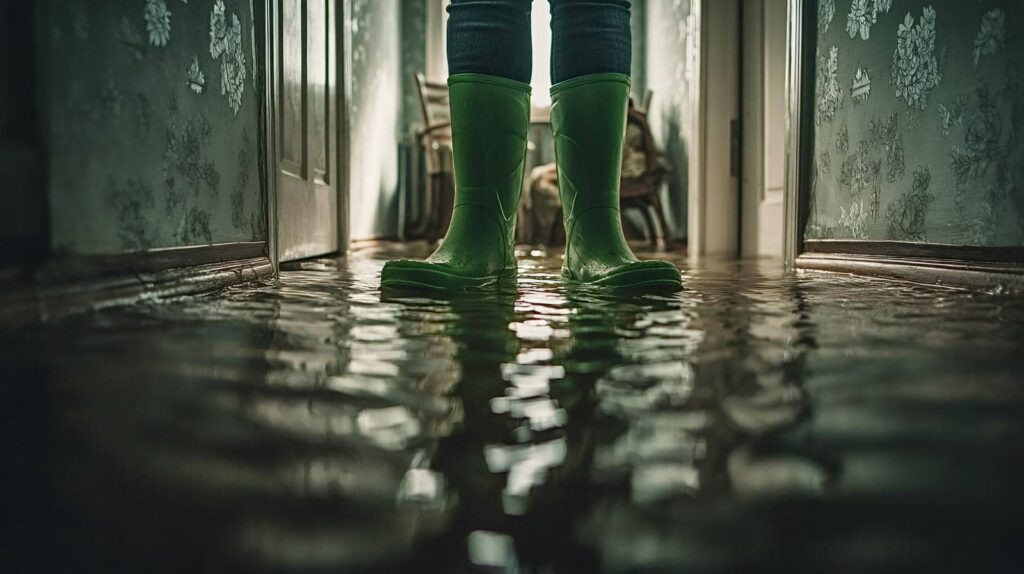
When your basement floods, you need to act fast and stay safe. Before you pump out a single gallon, you must cut power, assess the water level, and check for structural hazards. Then you can start removing standing water, mud, and debris with the right equipment. The real challenge comes next, because hidden moisture can trigger mold and long-term damage if you miss a critical step.
Key Takeaways
- Shut off basement power safely and keep people and pets away before entering floodwater.
- Identify the flooding source and document damage with photos from a safe distance.
- Use a properly grounded submersible pump or wet vacuum to remove standing water in controlled stages.
- Run fans and dehumidifiers immediately, and remove wet porous materials like drywall and insulation.
- Call professionals if sewage, electrical systems, or hidden structural damage are involved.
Stop the Basement Flood Safely
Before you enter a flooded basement, shut off the power at the main breaker if you can reach it safely, and call a licensed electrician if water is near outlets, appliances, or the electrical panel.
Then identify the flood causes, such as heavy rain, burst pipes, sewer backup, or sump failure, so you can reduce further intrusion.
Keep family members and pets out of the area, and block access with clear warnings. If you smell gas, leave immediately and contact the utility company.
Gather emergency supplies, including gloves, boots, flashlights, batteries, absorbent towels, and a phone charger, so your team stays prepared.
Document conditions with photos from a safe distance, and contact your insurer if required. You’re not handling this alone.
Pump Out Basement Water
Choose a pump sized for the water volume, lift height, and debris level, and make sure it has an intact power cord, proper grounding, and a discharge hose long enough to send water away from the foundation.
Before you start, shut off power to the affected area if you can do so safely, and keep cords, plugs, and connectors dry.
Remove the water in controlled stages to avoid rapid pressure changes and reduce the risk of structural damage or backflow.
Pump Selection Tips
A reliable pump can remove standing water quickly and reduce further damage, but the right type depends on how much water you need to move and where it has to go.
For most basement jobs, choose submersible pumps when the water level is high and access is limited, because they sit in the floodwater and handle debris better than small utility units.
Check pump capacity in gallons per hour and match it to your expected volume, discharge height, and hose length.
If your crew needs fast results, use a higher-capacity model with a solid float switch and a screen that resists clogging.
You’ll work more efficiently when the pump fits the space, the depth, and the drainage route.
Select equipment that’s rated for continuous operation and easy to position.
Safe Water Removal
Start the pump only after you’ve confirmed the basement is safe to enter and the discharge path is clear. You should cut power at the main panel if water may contact outlets, then wear insulated boots and gloves.
Place the pump on a stable surface, keep the intake submerged, and route hoses away from walkways so your team can move safely. Remove water gradually to protect walls and reduce hydrostatic pressure; don’t empty a deep flood too fast.
Monitor the pump for clogs, overheating, and falling water level. Stop before the pump runs dry. If the water contains sewage or chemicals, contact professionals.
Your water safety depends on disciplined steps, and solid flood preparedness helps you act with confidence when the basement floods.
Remove Water, Mud, and Debris
Pump out standing water as soon as it’s safe to do so, then shovel out mud and collect debris so the basement can begin drying and cleanup can proceed.
Use approved water extraction methods, such as a submersible pump or wet vacuum, to lower the level efficiently without stirring up sediment. Work from the deepest point toward the exit, and keep discharge hoses routed away from the structure.
Sort debris as you go, separating sharp materials, soaked contents, and reusable items. Apply debris removal techniques that limit tracking and contamination: use sealed containers, heavy gloves, and rigid shovels.
Move methodically so you and your crew stay organized, protect one another, and maintain control of the workspace.
Finish by removing fine residue from corners, drains, and low spots.
Dry Wet Walls, Floors, and Carpets
Once you’ve removed standing water and debris, begin drying the wet walls, floors, and carpets immediately to slow mold growth and structural damage.
You should open windows if weather allows, run fans to move air, and use dehumidifiers for steady moisture control.
Pull back carpet edges, lift rugs, and remove baseboards where needed so trapped water damage doesn’t linger behind finishes.
Check drywall, concrete, and wood framing for saturation, then direct airflow across these surfaces.
Replace wet insulation that won’t dry efficiently.
Keep electrical hazards in mind and avoid overloading circuits.
Work methodically through each area so you and your household can regain a safe, dry basement with confidence and shared purpose.
Prevent Mold After a Basement Flood
To prevent mold after a basement flood, you need to dry all affected areas within 24 hours.
Remove any wet insulation, drywall, carpet, or porous materials that can trap moisture and support growth.
Then disinfect hidden surfaces, including wall cavities, baseboards, and subfloors, to eliminate residual contamination.
Dry Within 24 Hours
If your basement flood left moisture behind, dry the space within 24 hours to reduce mold growth and limit structural damage. You can protect your home by setting up rapid airflow and monitoring humidity until surfaces feel dry. This flood preparation step helps you control water damage before spores take hold.
Keep conditions steady and verify that the basement is fully ventilated.
- Place high-capacity fans to move air across floors and walls
- Run a dehumidifier continuously and empty its reservoir
- Open access points to improve circulation and lower trapped moisture
- Check damp corners, sill plates, and concealed spaces with a meter
Act quickly, because every hour matters. By staying methodical, you join other prepared homeowners who reduce risk, preserve materials, and keep recovery on track.
Remove Wet Materials
Pull out any materials that stayed wet after the flood, because porous items can hold moisture and fuel mold growth fast.
Remove carpet, padding, cardboard, paper, insulation, and damaged fabrics from the basement right away. You’ll reduce moisture reservoirs and support mold prevention by clearing items that can’t dry fully.
Sort salvageable items from unsalvageable ones, then bag or stack them for material disposal according to local waste rules. Keep the area organized so you and your helpers can move safely and work efficiently.
If an item smells musty, feels damp inside, or was soaked for hours, treat it as a loss. Quick removal limits contamination, opens airflow, and helps your team regain control of the space with confidence.
Disinfect Hidden Surfaces
Once you’ve removed soaked materials, disinfect hidden surfaces so mold doesn’t take hold in cracks, seams, and protected areas.
You should inspect baseboards, underside framing, HVAC registers, and wall cavities for hidden mold. Choose disinfectants selection based on material compatibility, label directions, and expected contact time. Clean first, then apply the product evenly so it reaches joints and fasteners. Use gloves, eye protection, and ventilation to keep your team safe and effective.
- Wipe exposed studs and sill plates
- Spray behind trim and under stairs
- Treat floor edges and utility penetrations
- Recheck damp zones after 24 hours
If odors persist or staining returns, repeat treatment and confirm moisture is dropping.
In shared recovery spaces, your careful follow-through helps everyone stay protected and confident.
When to Call Water Damage Pros
When do you need water damage pros after a basement flood? Call them if water reached electrical systems, sewage entered, or moisture soaked drywall, insulation, or structural framing.
You should also contact professionals when standing water exceeds a few inches, the source is unknown, or you can’t dry the area within 24 to 48 hours. Their thermal imaging, moisture meters, and industrial dehumidifiers reduce hidden damage and mold risk.
Keep your flood insurance policy handy, document losses, and save emergency contacts for your insurer, plumber, and restoration team.
If your basement has recurring flooding, cracked foundations, or contaminated water, you’re in a higher-risk group and need expert help fast. Acting early protects your home, your health, and your neighbors.
Frequently Asked Questions
How Can I Tell if Floodwater Is Sewage-Contaminated?
You can’t tell by sight alone, but floodwater indicators include odor, sewage backup, toilet overflow, and floating waste. Assume sewage health risks if any appear; wear protection, avoid contact, and test water before cleanup.
What Insurance Documents Should I Gather Before Cleanup?
Start with your policy, declarations page, photos, receipts, and damage inventory; they’ll keep you on the same page. Confirm insurance coverage, note claim process deadlines, and gather adjuster contacts, repair estimates, and mitigation records.
How Do I Protect Valuables Before Water Reaches Them?
You should move valuables to elevated, dry storage, use sealed bins, and stage for quick evacuation. Prioritize documents, electronics, and heirlooms. Keep them off floors, label boxes, and maintain a shared, trusted checklist.
Can I Use a Shop Vac for Small Basement Floods?
Yes, you can use a shop vac for small basement floods if you keep flood safety in mind. You’ll remove shallow water quickly, but unplug power first, empty often, and avoid contaminated water.
When Should I Shut off Basement Electricity?
Shut off basement electricity immediately if water reaches outlets, appliances, or your panel; you’re facing electrical hazards. Follow safety measures by cutting power at the main breaker only if you can do so safely and dryly.
Final Thoughts
When you face basement flooding, act fast and stay safe. You’ll cut power, pump out water, clear mud and debris, and dry every surface to reduce structural damage. You’ll also monitor for mold and use dehumidifiers to control moisture. If the water’s deep, contaminated, or persistent, you’ll call water damage pros before things snowball. With quick, careful action and the right tools, you can protect your property and restore a safe, dry basement.