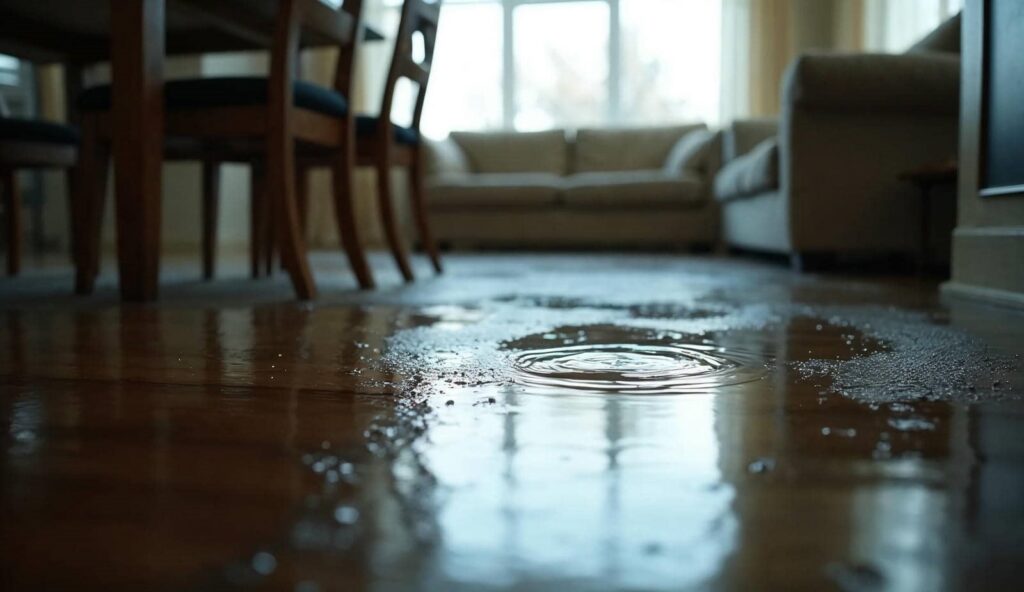
When dealing with water leak cleanup, you face a range of hazards that can jeopardize your safety and health. Contaminated water can expose you to harmful pathogens, while mold growth poses respiratory risks. Additionally, electrical hazards and slip and fall incidents are common. Understanding these dangers is essential for effective management. But before you proceed, consider the unseen threats that could complicate your cleanup efforts.
Key Takeaways
- Contaminated water can harbor harmful pathogens, necessitating protective gear to prevent serious illnesses during cleanup.
- Mold growth can lead to respiratory issues; effective moisture management and professional remediation are essential.
- Water and electricity pose dangerous hazards; always shut off power and inspect wiring before cleanup.
- Slip and fall incidents are common; use caution signs and remove standing water promptly to ensure safety.
- Insect infestations can escalate; seal entry points and eliminate moisture to deter pests effectively.
Contaminated Water Exposure
When dealing with water leaks, you must recognize that contaminated water exposure poses significant health risks. Contaminated sources, such as sewage or floodwater, can harbor harmful pathogens, chemicals, and debris. These contaminants can lead to serious illnesses if you come into direct contact or inhale aerosols generated during cleanup.
To ensure safe handling, always wear protective gear, including gloves, masks, and boots, before starting any cleanup. Assess the area for potential hazards and isolate contaminated zones to prevent further exposure.
Proper sanitation techniques, including disinfecting surfaces and using appropriate waste disposal methods, are vital in mitigating health risks. Additionally, consider consulting professionals for extensive leaks involving hazardous materials.
Mold Growth and Spores
When water leaks occur, mold can rapidly develop, posing significant health risks such as respiratory issues and allergic reactions.
To mitigate these hazards, you must implement effective prevention and control measures, including proper ventilation and moisture management.
Additionally, recognizing the importance of professional remediation ensures thorough removal of mold and spores, safeguarding your environment and health.
Health Risks of Mold
Although mold is a natural part of the environment, its presence in indoor spaces poses significant health risks due to the potential for mold growth and the release of spores.
When mold proliferates, it can lead to respiratory issues, allergic reactions, and other serious health concerns. Spores can easily become airborne, affecting indoor air quality and exposing you and your loved ones to harmful substances.
Implementing effective mold prevention strategies, such as controlling humidity and ensuring proper ventilation, is essential for maintaining a healthy living environment. Regular inspections can help identify moisture-prone areas, reducing the likelihood of mold infestations.
Prevention and Control Measures
To prevent and control mold growth and spores, maintaining a dry environment is essential.
Start by implementing effective leak detection systems to identify water issues before they escalate. Regularly inspect plumbing, appliances, and roofing for potential leaks, and promptly address any found.
Emphasize water conservation practices, such as fixing drips and reducing excess moisture in your home. Use dehumidifiers in damp areas, and ensure proper ventilation, particularly in bathrooms and kitchens.
When cleaning water spills, act quickly to dry surfaces thoroughly. Remember, maintaining a relative humidity level below 60% can considerably reduce mold proliferation.
Professional Remediation Importance
Effective professional remediation is essential for addressing mold growth and spores after a water leak. Mold can begin to proliferate within 24 to 48 hours, making prompt action crucial.
Certified professionals employ advanced remediation techniques, ensuring thorough inspections and assessments to identify affected areas. They utilize specialized equipment to contain and eliminate mold, minimizing the risk of spores spreading throughout your space.
With professional certifications, these experts ensure adherence to industry standards, providing you peace of mind.
They also understand the unique conditions that foster mold growth, allowing for tailored solutions that address your specific situation. By choosing experienced professionals, you protect your health and home, fostering a safe environment for yourself and your loved ones.
Electrical Hazards
When dealing with water leak cleanup, one of the most critical concerns is electrical hazards. Water and electricity are a dangerous combination, and ensuring electrical safety is paramount. Neglecting this aspect can lead to severe circuit damage and even personal injury.
Here are four key precautions to take:
Shut Off Power: Always turn off the main power supply before beginning any cleanup.
Inspect Wiring: Check for damaged or exposed wiring. If you notice anything unusual, consult a professional electrician.
Use Ground Fault Circuit Interrupters (GFCIs): These devices can help prevent electrical shock by cutting off power when needed.
Keep Equipment Dry: Ensure that any tools or devices you use are completely dry and rated for wet conditions to minimize risk.
Structural Damage Risks
When you address a water leak, you must consider the potential for structural damage, particularly to the foundation.
Prolonged exposure to moisture can weaken structural integrity and increase the risk of mold growth, which can further complicate the situation.
Understanding these risks is essential to ensuring the safety and stability of your property.
Foundation Compromise
Although water leaks may seem like minor inconveniences, they can lead to substantial foundation compromise if not addressed promptly.
Ignoring these issues can jeopardize foundation stability and result in costly repairs. Here are four key risks to evaluate:
Soil Erosion: Prolonged moisture can wash away soil, destabilizing the foundation.
Cracks in Foundation: Water infiltration can create cracks, leading to structural weakness.
Settling Issues: Uneven settling may occur due to compromised soil, affecting the entire structure.
Increased Repair Costs: Delayed action on leaks can escalate repair expenses considerably.
Mold Growth Potential
Ignoring water leaks threatens your foundation’s integrity and creates an environment ripe for mold growth.
When moisture accumulates, it fosters the perfect conditions for mold spores to flourish, posing serious risks to structural components and indoor air quality.
You must implement effective mold prevention strategies promptly. Start by identifying and repairing leaks, ensuring proper ventilation, and utilizing dehumidifiers in affected areas.
Regular inspections and thorough cleaning of water-damaged surfaces are essential to mitigate mold risks.
By taking these proactive steps, you’ll protect your property and enhance the air quality in your home, creating a safer, healthier environment for you and your loved ones.
Don’t wait; act now to prevent mold-related issues.
Slip and Fall Incidents
Slip and fall incidents are one of the most common hazards associated with water leak cleanup.
To ensure a safe environment, it’s vital to implement effective slip prevention measures and engage in thorough safety training. Here are key strategies to minimize risks:
Assess the Area: Regularly inspect the workspace for water accumulation and potential hazards.
Use Caution Signs: Clearly mark wet areas with signs to alert everyone of the danger.
Keep Floors Dry: Utilize mops, squeegees, or drying equipment to promptly remove water from surfaces.
Wear Proper Footwear: Encourage the use of slip-resistant shoes to enhance traction on wet surfaces.
Chemical Exposure
When cleaning up after a water leak, you might encounter hazardous material residue that can pose serious health risks.
It’s essential to wear appropriate protective gear to minimize exposure to these chemicals.
Understanding the potential dangers will help you take the necessary precautions effectively.
Hazardous Material Residue
Although water leaks may seem like a straightforward issue, they can introduce hazardous material residues that pose significant health risks during cleanup.
Understanding residue management is vital to mitigate these dangers effectively. Here are four common hazardous materials you might encounter:
Mold Spores: These can lead to respiratory issues and allergic reactions.
Lead Dust: Often found in older buildings, it poses severe health risks, especially to children.
Asbestos Fibers: Disturbing these can cause long-term lung damage.
Chemical Residues: Cleaning agents or industrial products that may have seeped into the water can be harmful.
Proper identification and management of these residues are essential to ensure a safe and effective cleanup process.
Protective Gear Importance
Protective gear is essential during water leak cleanup, especially when chemical exposure is a concern. You need to equip yourself with the right protective gear types to minimize health risks.
Start with gloves made of chemical-resistant materials to prevent skin contact with hazardous substances. Safety goggles are vital for eye protection against splashes. A respirator can safeguard your lungs from inhaling harmful fumes.
Don’t overlook protective clothing; use coveralls to shield your body from contaminants. Remember to wear sturdy boots to keep your feet safe from potential hazards.
Insect Infestation
Insect infestations can emerge rapidly after a water leak, creating additional hazards that complicate cleanup efforts. You’ll want to address this issue promptly to ensure your environment remains safe.
Here are four key points to reflect on for effective pest control and infestation prevention:
Identify Entry Points: Inspect the area for cracks, gaps, or holes where insects might enter and seal them to deter future infestations.
Remove Standing Water: Eliminate any residual moisture to reduce the likelihood of attracting pests that thrive in damp environments.
Implement Regular Inspections: Schedule routine checks to catch signs of infestation early, allowing for proactive measures.
Utilize Professional Services: If the situation escalates, don’t hesitate to call in pest control experts who can provide targeted solutions for your specific needs.
Air Quality Issues
Water leaks not only create an inviting environment for pests but can also severely impact air quality within your home or business. When moisture accumulates, it fosters the growth of mold and mildew, which release airborne pollutants. These contaminants can circulate throughout your space, posing health risks to you and others.
Even short-term exposure to these pollutants can cause respiratory issues and allergies, but the long-term effects can be even more concerning. Prolonged exposure may lead to chronic respiratory diseases or other serious health complications.
To combat these air quality issues, it’s essential to address leaks promptly and thoroughly. Ensure proper ventilation during cleanup and consider utilizing air purifiers to mitigate airborne pollutants.
Personal Protective Equipment (PPE) Needs
When tackling water leak cleanup, having the right personal protective equipment (PPE) is essential for ensuring your safety. Understanding what you need can greatly reduce health risks.
Here’s a list to guide your PPE selection:
Gloves Selection: Opt for nitrile or latex gloves to protect against contaminants and provide a reliable barrier.
Respirator Types: Use an N95 respirator or higher to filter out harmful particles and improve air quality during cleanup.
Eye Protection: Safety goggles or face shields shield your eyes from irritants and debris.
Footwear: Waterproof boots with slip-resistant soles keep your feet dry and provide stability on wet surfaces.
Psychological Effects and Stress
Cleaning up after a water leak can take a toll on your mental well-being. The chaos and disruption can lead to significant emotional distress.
As you navigate through the cleanup process, you might feel overwhelmed by the sheer volume of tasks ahead. This stress can manifest as anxiety, affecting your ability to think clearly and make rational decisions.
To effectively manage this anxiety, it’s essential to break down the cleanup into smaller, manageable steps. Create a detailed checklist and prioritize tasks, which can alleviate feelings of being overwhelmed.
Engaging in mindfulness techniques, such as deep breathing or short breaks, can also help maintain focus and calm your mind.
Frequently Asked Questions
How Can I Detect Hidden Water Leaks in My Home?
To detect hidden water leaks, check your water meter for unusual increases. Use a moisture detector in areas prone to leaks, like basements or under sinks, ensuring you catch any issues before they escalate.
What Insurance Covers Water Leak Damage Cleanup?
Most standard homeowners’ insurance policies cover water damage from leaks, but it’s essential to check your specific policy. You’ll want to understand deductibles and exclusions, ensuring you’re fully prepared for any potential cleanup costs.
How Long Does It Take to Dry Out a Water-Damaged Area?
It typically takes 3 to 7 days to dry out a water-damaged area. Utilizing effective drying techniques and regularly measuring moisture levels ensures thorough drying, preventing mold growth and further damage in your space.
Can I Clean up Water Damage Myself?
You can tackle water damage with DIY cleanup, but make certain you’re equipped. Like a skilled artisan, you’ll need proper tools and safety gear. Assess the damage carefully, and remember, thoroughness is key for effective restoration.
What Should I Do Immediately After Discovering a Water Leak?
Immediately shut off the water supply to prevent further damage. Contact emergency services if necessary, and document the leak for insurance. Notify your landlord or property manager, and consider leak prevention measures for future safety.
Review
While you might think a small leak isn’t a big deal, it can lead to serious hazards if not addressed promptly and properly. By recognizing the risks of contaminated water, mold growth, and electrical issues, you can take proactive measures to ensure safety. Always equip yourself with the right personal protective equipment (PPE) to minimize health risks. Remember, addressing these hazards quickly can save you from more significant problems down the line.