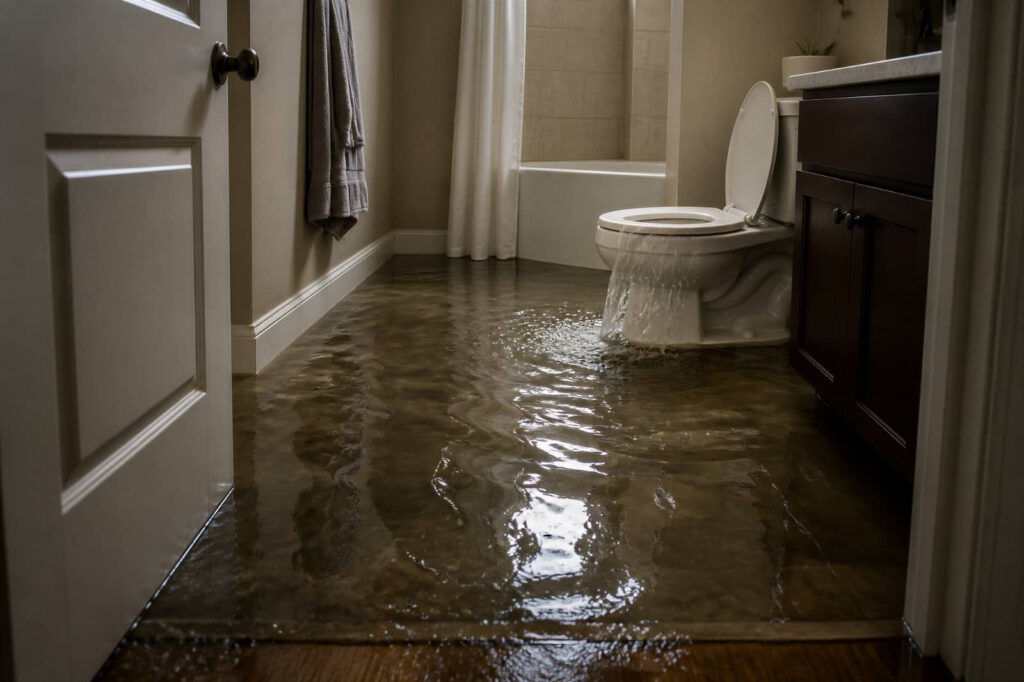
When your plumbing has a little “unwelcome overflow,” you need to act fast. Sewage Backup Cleanup should begin by shutting off affected fixtures, keeping kids and pets away, and putting on gloves and a mask before touching anything. Then, remove standing water, dry the area, and check which materials need to be replaced. What comes next can determine whether you stop the damage quickly or face a much bigger problem.
Key Takeaways
- Stop using affected plumbing, keep people away, and shut off water if sewage overflow continues.
- Wear gloves, boots, eye protection, and a fitted mask before handling contaminated materials.
- Remove standing water quickly, then ventilate and dry the area with fans and dehumidifiers.
- Discard contaminated drywall, carpet, insulation, and other porous materials that cannot be cleaned safely.
- Repair damaged floors, walls, and subflooring after cleaning, then disinfect nonporous surfaces to prevent mold.
What to Do Immediately After a Sewage Backup?
Act quickly to reduce contamination and limit damage after a sewage backup. You should stop using affected plumbing, shut off water if overflow continues, and keep children and pets away from the area.
Then, document the damage with photos for your records and insurance claim. If power or gas fixtures are near standing water, contact the utility provider.
Open windows if weather allows, since airflow helps lower odors and moisture. Avoid touching contaminated items unnecessarily, because sewage carries health risks that can spread through surfaces and air.
Separate wet, salvageable materials from porous items that may need disposal. Before you reenter the space fully, review prevention tips for future backups, including drain maintenance and backflow protection.
You’re not handling this alone; steady, informed steps protect your home and community.
Sewage Cleanup Safety Steps
Before you start cleanup, put safety first by wearing waterproof gloves, rubber boots, eye protection, and a properly fitted mask or respirator if there’s heavy contamination.
You should also choose protective gear that seals well at wrists, ankles, and face. Keep children and pets out of the area, and don’t touch sewage-soaked materials with bare skin.
If you have cuts, asthma, or a weakened immune system, limit exposure because health risks rise fast. Wash your hands and forearms with soap after every task, even if you wore gloves.
Use dedicated tools and seal contaminated waste in heavy bags for disposal. Stay alert for dizziness, nausea, or skin irritation, and stop work if symptoms appear.
You’re not handling this alone; careful steps protect your household.
How to Remove Water and Dry Out the Area
Start by removing standing water as quickly as possible with a wet/dry vacuum, pump, or mop-and-bucket setup, working from the edges toward the center to keep contamination from spreading.
Use proven water removal techniques, and empty recovery containers often so you keep suction strong and cleanup efficient.
Once the bulk water is gone, open windows if weather allows and run fans to move air across wet surfaces.
Choose drying equipment options like dehumidifiers, air movers, and portable heaters only if they’re safe for the space and properly sized.
Check hidden areas, including under cabinets and behind appliances, because moisture lingers there.
Keep the room dry, monitor humidity, and stay patient; you’re restoring control step by step with a crew-minded, practical approach.
How to Repair Sewage-Damaged Floors and Walls
Once the area is dry, inspect floors and walls for swelling, warping, staining, soft spots, and any material that’s no longer structurally sound.
You’ll make better repairs when you remove damaged sections cleanly and keep the rest protected. Choose floor replacement options based on the subfloor condition, finish type, and moisture resistance. For walls, use wall restoration techniques that match the existing framing and surface finish.
- Cut out compromised drywall and trim back to solid edges
- Replace rotten subfloor panels and fasten them securely
- Install moisture-rated underlayment where needed
- Patch studs, baseboards, and wall sheathing
- Refinish surfaces so your space feels whole again
Work methodically, measure twice, and keep your repairs aligned with code and safety needs.
Mold Remediation After Sewage Damage
When sewage has soaked porous materials, mold can begin growing quickly, so you need to treat cleanup as both a sanitation and moisture-control job.
Remove contaminated drywall, insulation, carpet, and padding before they support mold growth. Dry the area fast with dehumidifiers, air movers, and ventilation, and keep humidity low.
Clean nonporous surfaces with an appropriate disinfectant, then inspect framing, subfloors, and hidden cavities for lingering moisture. If you smell musty odors or see staining, test and remediate promptly.
Wear PPE, isolate the work zone, and dispose of waste safely to reduce health risks. You’re not dealing with this alone; a careful, step-by-step process helps protect your home and everyone in it.
Frequently Asked Questions
How Long Does Sewage Damage Cleanup Usually Take?
You’ll usually see sewage damage cleanup take 1-3 days for minor cases, but larger losses can take a week or more. Your cleanup timeline depends on damage assessment, drying, disinfection, and repairs.
Will My Insurance Cover Sewage Backup Repairs?
Maybe—your insurance policies determine whether you’re covered, and coverage limits apply. You’ll usually need a sewer backup endorsement. Review your policy, document damage, and call your agent quickly so you can confirm benefits and next steps.
When Should I Call a Professional Restoration Company?
Call a professional restoration company when contamination starts, when health hazards appear, or when damage spreads. You’ll get emergency response, proper drying, and safe cleanup. You’re not alone; experts can protect your home and peace of mind.
Can Sewage Backup Affect My Home’s Foundation?
Yes, sewage backup can affect your home’s foundation. You’ll want to watch for moisture damage, sewage impact, and reduced foundation stability. Protect structural integrity by drying fast, repairing leaks, and calling a professional if damage spreads.
How Can I Prevent Future Sewage Backups?
You can prevent future sewage backups with preventive maintenance, regular inspections, proper disposal, and plumbing upgrades. You’ll protect your home by avoiding grease, flushing only waste, and servicing drains, roots, and aging lines before problems start.
Conclusion
When you face sewage backup cleanup and damage repair, act fast and stay safe. Shut off affected fixtures, wear protective gear, and keep kids and pets away. Remove standing water, dry the area fully, and replace any damaged flooring or drywall. Don’t skip mold remediation, because an ounce of prevention is worth a pound of cure. If you follow these steps, you’ll reduce health risks and restore your space with confidence.