
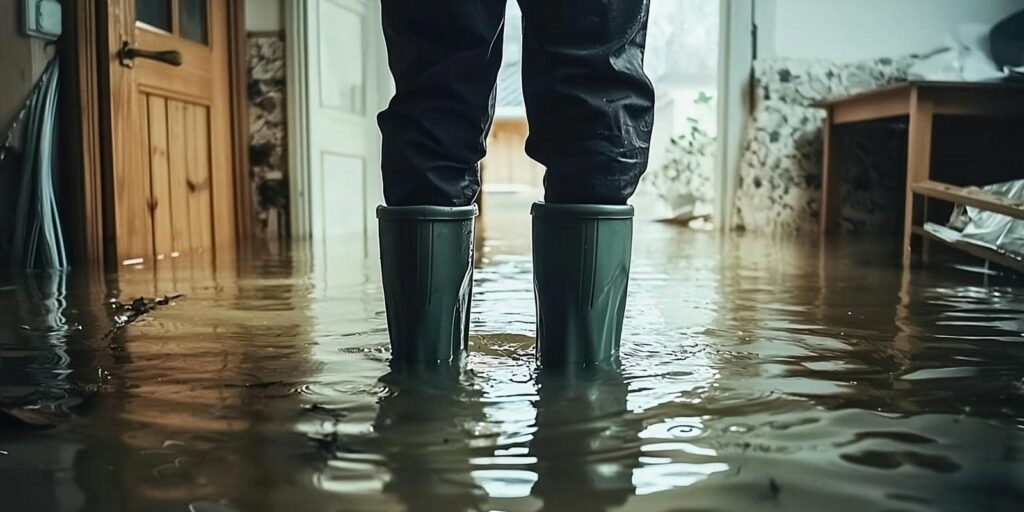
If your property has flooded, you need more than surface drying to make it safe again. Flood damage cleanup services usually start with water extraction, then move to removing damaged materials, drying hidden moisture, and treating contaminated areas. They also help document losses for insurance and reduce mold risk. The first hours matter most, and what happens next can shape the full recovery.
Key Takeaways
- Flood damage cleanup services remove standing water and damaged materials after water intrusion.
- They dry structural components and clean contaminated surfaces to stabilize the property.
- Crews document damage with photos and reports for insurance claims and adjusters.
- Fast cleanup helps prevent mold growth, hidden moisture, and further structural damage.
- Emergency services are needed for rising, contaminated, or wall-penetrating water.
What Flood Cleanup Services Cover
Flood cleanup services cover the full process of stabilizing your property after water intrusion, from extracting standing water and removing unsalvageable materials to drying structural components and cleaning contaminated surfaces.
You’ll get a coordinated plan that targets hidden moisture, mold risk, and odor control with proven flood restoration techniques. Technicians inspect wall cavities, flooring, and insulation, then use dehumidifiers, air movers, and antimicrobial treatments to restore safe conditions.
They also document damage, which can help with insurance claim tips and smoother communication with your adjuster. You’re not handling this alone; you’re working with a team that knows how to protect your structure, limit secondary damage, and get your home or business back to normal efficiently, safely, and with clear next steps.
What to Do in the First 24 Hours
During the first 24 hours, focus on safety, damage control, and documentation. Before you enter, shut off electricity and gas if you can do so safely, and wear boots, gloves, and a mask.
Check for structural hazards, then give first aid to anyone injured. Take photos and videos of every affected room, wall, floor, and item before moving anything.
Keep children and pets away from contaminated water and follow safety precautions when handling wet materials. Remove valuable, dry belongings from unaffected areas, and place damp items where air can circulate.
Call your insurer, your landlord, and a trusted flood cleanup team right away. Stay organized, stay calm, and know that your next steps can protect your home and help your recovery move forward.
Why Fast Water Extraction Matters
Once you’ve secured the area and documented the damage, the next priority is removing standing water as quickly as possible.
Fast water removal limits how far moisture can travel into flooring, walls, and structural cavities, so you can reduce the scope of repairs. It also lets your emergency response team assess conditions sooner and begin controlled drying before materials weaken.
When you act quickly, you keep traffic hazards down, protect electrical components, and preserve more of your home’s finish materials.
You’re not rushing blindly; you’re following a proven sequence that helps your cleanup crew work efficiently and safely.
In a flood, time matters, and prompt extraction gives your property the best chance to recover with less disruption, lower cost, and a smoother path back to normal.
How Mold Can Spread After a Flood
If moisture lingers after a flood, mold can start growing in as little as 24 to 48 hours, especially in damp drywall, insulation, carpet, and hidden wall cavities.
You may see fuzzy growth, musty odors, or staining as moisture spreads through porous materials and air currents move spores room to room.
Common mold types include Aspergillus, Penicillium, and Stachybotrys, and each can colonize new surfaces fast when humidity stays high.
You can slow spread by removing wet items, improving ventilation, and drying framing, subfloors, and baseboards quickly.
Practical prevention strategies also include monitoring hidden moisture with meters and keeping indoor relative humidity low.
When you act early, you protect your home and help your household feel secure, informed, and ready to recover together.
When to Call Emergency Flood Cleanup Services
Call emergency flood cleanup services right away when water is still rising, contaminated, or has entered walls, flooring, or electrical systems. You need fast action because flood response timing affects how much structural damage and microbial growth can develop.
Look for emergency service indicators like sewage odors, visible debris, sagging ceilings, soaked insulation, or power loss near wet areas. If you can’t safely identify the water source, treat it as urgent.
You shouldn’t wait for drying to start on its own, because trapped moisture spreads quickly behind finishes and under subfloors. A qualified team will extract water, isolate hazards, and stabilize your space so you and your household can get back to normal with less stress and more confidence.
Frequently Asked Questions
Do Flood Cleanup Services Remove Contaminated Sewage Water?
Yes, they do; you’ll get sewage removal from contaminated floodwater, plus disinfection and drying to reduce health risks. You’re not alone—trained crews handle biohazards safely, so your space can feel clean again quickly.
Are Contents and Furniture Restoration Included in Flood Damage Cleanup?
Yes, you’ll often get contents and furniture restoration included. Around 98% of flooded belongings can be saved with fast action, and you’ll get contents assessment, furniture drying, cleaning, deodorization, and repair support to restore your space.
Can Flood Cleanup Services Help With Insurance Documentation?
Yes, you can get insurance claim assistance and a flood damage assessment. You’ll receive photos, moisture readings, itemized reports, and cleanup records, helping you document losses accurately and confidently for your insurer.
What Equipment Is Used During Professional Flood Cleanup?
You’ll see pumps, wet vacs, air movers, dehumidifiers, moisture meters, and sanitizers—your lifeboat after the storm. These flood extraction methods and drying techniques remove water fast, protect materials, and help you feel supported throughout recovery.
How Long Does Flood Damage Cleanup Usually Take?
You can expect a cleanup timeline of a few days to several weeks, depending on damage. You’ll move through restoration phases like extraction, drying, cleaning, and repairs, and you’re not alone throughout the process.
Review
Flood damage cleanup services help you stop water damage before it spreads, like closing a valve before a pipe bursts. You get water extraction, removal of damaged materials, structural drying, and moisture checks to protect your property. Acting fast lowers mold risk and supports insurance claims with clear documentation. If your home is still wet, don’t wait. Call emergency flood cleanup services right away so you can stabilize the space and start recovery with confidence.