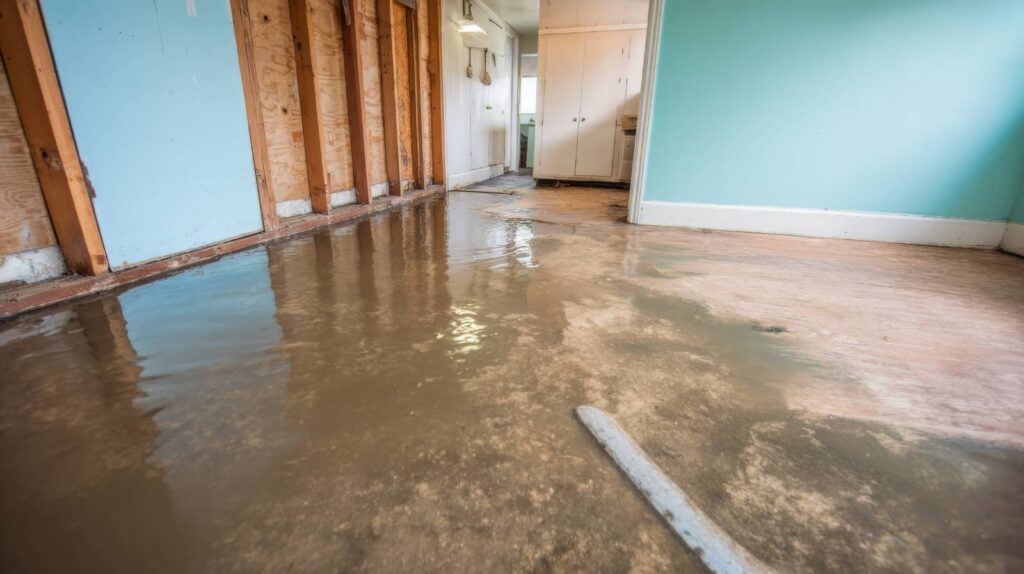
When you deal with water damage, structural drying is the controlled process of removing hidden moisture from walls, floors, framing, and other building materials. You use airflow, heat, and dehumidification to bring those materials back to safe moisture levels before mold or further damage sets in. It’s more precise than simple cleanup, and what happens next depends on how far the water has spread.
Key Takeaways
- Structural drying is the controlled removal of hidden moisture from walls, floors, insulation, and framing after water damage.
- It uses air movers, dehumidifiers, airflow control, and temperature management to speed evaporation and lower humidity.
- Fast drying helps prevent mold growth, which can begin within 24–48 hours after water exposure.
- The process protects building materials from swelling, warping, and deeper structural damage.
- Professionals monitor moisture levels continuously with meters and thermal imaging to ensure materials dry completely.
What Is Structural Drying?
Structural drying is the controlled process of removing moisture from water-damaged building materials and contents to prevent further damage and restore normal conditions.
You use it after water damage to target hidden moisture in walls, floors, insulation, and contents. The process combines inspection, moisture mapping, airflow, temperature control, and dehumidification.
You choose drying techniques based on material type, saturation level, and building layout. Technicians place equipment to move moist air away and reduce humidity around affected areas.
You monitor readings regularly, so you can adjust the setup and verify progress. This approach helps your property dry evenly and stay within safe material limits.
When you understand structural drying, you’re better prepared to work with the team and protect your space.
Why Fast Structural Drying Matters
Fast structural drying matters because you need to remove moisture quickly to prevent mold growth.
It also helps you limit swelling, warping, and other structural damage in affected materials.
When you act fast, you can shorten the recovery timeline and restore the space more efficiently.
Prevent Mold Growth
When water lingers in building materials, mold can begin developing in as little as 24 to 48 hours, so quick structural drying is critical.
You protect your space by removing moisture from walls, floors, and hidden cavities before spores take hold.
Use mold prevention strategies like rapid extraction, targeted air movement, and dehumidification to lower surface and air moisture.
Keep humidity control tight, because elevated indoor humidity gives mold the conditions it needs to spread.
You’ll also want to monitor damp zones with meters and adjust equipment until readings stabilize.
Acting fast helps you stay ahead of contamination and keeps your home safer for everyone inside.
When you respond promptly, you join the group of owners who prevent problems instead of chasing them later.
Reduce Structural Damage
Quick drying limits how long water can weaken building materials, helping you avoid warped framing, swollen drywall, delaminated flooring, and corrosion in hidden assemblies.
You protect structural integrity by removing moisture before wood fibers soften, fasteners rust, and insulation traps dampness against framing.
In water damage situations, every hour counts because saturation spreads through joists, subfloors, and wall cavities, increasing the chance of movement and loss of load-bearing strength.
You also reduce stress on finishes and connections, so repairs stay more localized and predictable.
When you act fast, you keep the structure stable, preserve the building envelope, and make it easier for your team to restore the space with confidence.
Speed Up Recovery
Rapid structural drying shortens downtime by removing moisture before it slows demolition, cleaning, and reconstruction. You get back to normal faster because every hour matters after water damage.
A strong emergency response limits secondary damage, keeps materials stable, and lets crews verify what can stay and what must go. When you use proven drying techniques, you reduce swelling, warping, and microbial growth, so repairs don’t stack up later.
You also help your team coordinate inspection, extraction, and dehumidification without gaps. That means fewer delays, cleaner handoffs, and a clearer path to reopening your home or business.
Fast drying isn’t just efficient; it keeps you in control, connected to the recovery process, and confident that the work’s moving in the right direction.
How Structural Drying Works
Structural drying works by removing excess moisture from building materials and the air so you can stop further damage and prevent mold growth.
You use targeted air movement techniques to push drier air across wet surfaces, which speeds evaporation and helps moisture leave porous materials.
Then dehumidifiers capture that water vapor, making moisture removal methods more effective and keeping indoor humidity in a safe range.
You’ll also monitor temperature, airflow, and relative humidity so you can adjust equipment as conditions change.
This process isn’t guesswork; it’s controlled drying based on measurements.
When you follow the right steps, you protect your space, support a healthier recovery, and join the process with confidence, knowing each action moves your property closer to normal.
Which Materials Need Drying
Not every wet material dries the same way, so you need to identify what’s affected before you set your drying plan.
Porous building materials usually need the most attention: drywall, insulation, carpet padding, subfloors, and wood framing can trap moisture and weaken fast. You should also check affected surfaces like baseboards, trim, and cabinet backs, because they may hide wet edges and spread damage.
Nonporous finishes, such as tile, metal, and sealed counters, may dry with less risk, but you still need to verify what’s behind them.
When you choose drying materials wisely, you protect the structure, reduce odor, and limit mold growth.
In your space, quick identification helps you and your crew stay aligned, focused, and ready for the next step.
Tools Pros Use for Structural Drying
Pros use specialized equipment to move moisture out of materials and speed evaporation without causing extra damage. You’ll usually see:
Air movers to push surface moisture off walls, floors, and framing
Dehumidifiers and ventilation systems to pull vapor from the air
Moisture meters, water detectors, and thermal imaging to spot hidden wet areas
Drying chambers and other restoration equipment to isolate contents and control airflow
When you work with this gear correctly, you join a standard field process that protects structure and finishes.
Technicians place tools to create balanced airflow, manage humidity, and keep wet materials from lingering too long. That’s how you support faster drying while keeping the job controlled, practical, and safe for your space.
How Pros Measure Drying Progress
How do pros know when a structure is truly dry? You’ll see them rely on moisture measurement, not guesswork. They map readings across walls, floors, and framing, then compare wet areas to dry standards in the same material.
You may hear them use pin and pinless meters, thermal imaging, and humidity logs to track moisture movement. These checks show whether drying techniques are working and whether hidden cavities still hold water.
Pros also document trends over time, because one reading isn’t enough. When values stabilize and match target conditions, you’re close to completion. That process helps your team stay aligned, protects the structure, and gives you clear proof that the job’s moving in the right direction.
What Slows Structural Drying
Structural drying slows when hidden moisture stays trapped in wall cavities, subfloors, or insulation after the visible surface feels dry.
You’ll also lose drying efficiency if air can’t move freely across wet materials or if humidity stays too high in the space.
To keep the process on track, you need to find concealed water, improve circulation, and control moisture levels.
Hidden Moisture Sources
Hidden moisture can linger in places you don’t see, and it often slows structural drying more than the obvious wet areas do. You need moisture detection to find hidden leaks before they spread into framing, insulation, or subfloors.
Trust the process and check the likely traps:
- Wall cavities behind baseboards
- Under cabinets and built-ins
- Around plumbing penetrations
- Beneath flooring and underlayment
When you miss these sources, your drying plan stalls and materials stay at elevated moisture levels. Use meters, thermal scans, and targeted inspections to confirm each area.
You’re not alone in this step; careful detection helps your team restore the structure faster and with fewer surprises.
Poor Air Circulation
Poor air circulation can stall structural drying because stagnant pockets keep humid air trapped against wet materials. You need to move air across every exposed surface so evaporation can continue at a steady rate.
Use airflow techniques that create direct paths through rooms, cavities, and around furnishings, not just across open space. Set fans to push air from drier zones toward damp areas, then adjust placements as materials begin to dry.
During moisture assessment, check wall bases, corners, and enclosed cavities for slow-drying zones. You’ll work better as a team when each device supports the next, reducing dead spots and helping the structure dry evenly.
Reposition equipment often, because a setup that worked yesterday may miss new problem areas today.
High Humidity Levels
High humidity slows structural drying because the air can’t absorb much more moisture from wet materials, which reduces evaporation and extends drying time.
You’ll get better results when you pair dehumidifiers with targeted humidity control and steady airflow. That’s how your moisture management keeps the drying zone efficient and predictable.
- Track relative humidity at the start and every few hours.
- Run dehumidifiers sized for the affected space.
- Seal the area to limit humid outside air.
- Remove saturated materials that keep releasing moisture.
When you keep indoor RH lower, you help framing, drywall, and subfloors release water faster.
You’re not just drying a structure; you’re protecting the team effort that gets the space back to normal sooner.
Structural Drying vs. Water Extraction
Although water extraction and structural drying often happen together, they aren’t the same service: water extraction removes standing water from surfaces and materials, while structural drying focuses on reducing moisture inside building materials, cavities, and air spaces.
You first use water extraction methods, like pumps, wet vacuums, and squeegees, to clear visible water fast. Then you deploy drying equipment, including air movers, dehumidifiers, and moisture meters, to target hidden dampness.
Extraction stops immediate spread; drying prevents lingering saturation, swelling, and microbial growth. You’ll get the best results when you treat both steps as separate tasks in one controlled process.
That way, your space dries more completely, and you stay in control of the damage with a clear plan.
When to Call a Restoration Team
Call a restoration team as soon as water has entered structural materials, spread beyond one room, or affected insulation, drywall, subfloors, or concealed cavities. You can’t wait when water damage reaches materials that trap moisture.
Restoration services help you act fast and protect your home’s structure.
- Visible staining keeps growing.
- Floors feel soft, warped, or uneven.
- Humidity stays high after drying.
- Musty odors return after cleanup.
If you notice any of these, you’re likely dealing with hidden moisture that simple fans can’t remove. A trained team uses meters, thermal imaging, and controlled drying to stop further loss.
When you call early, you join homeowners who choose fast action, safer repairs, and less disruption.
Frequently Asked Questions
How Long Does Structural Drying Usually Take?
Usually, you’ll need 3–5 days, but severe damage can take longer. Your drying techniques and drying equipment drive the timeline, so monitor moisture daily, adjust airflow, and stay connected with your restoration team.
Does Structural Drying Prevent Mold Growth?
Yes, structural drying can help with mold prevention when you use proper drying techniques. You’ll reduce moisture fast, limit microbial growth, and protect your space, but you still need thorough inspection and cleanup.
Can Homeowners Dry Structures Themselves Safely?
Yes, you can dry some structures yourself, but 60% of hidden moisture escapes notice. You’ll use DIY Techniques only for minor damage, and you must follow Safety Precautions to protect yourself, your home, and your community.
Will My Insurance Cover Structural Drying Costs?
Maybe—your insurance policies may cover structural drying if the damage is sudden and accidental. Check coverage limits, deductibles, and exclusions. You should document losses, notify your insurer fast, and use approved contractors.
Should I Stay in the Building During Drying?
Usually, you shouldn’t stay; about 60% of water-damaged buildings still harbor hidden moisture. You’ll need health considerations and safety precautions, plus ventilation checks, dehumidifier noise, and mold monitoring, so you feel protected and included.
Recap
Structural drying after water damage is the nonstop race to pull hidden moisture out of your home before it turns into a full-blown disaster. You’re not just drying wet surfaces—you’re driving moisture from walls, floors, and insulation with targeted airflow, heat, and dehumidification. If you wait, damage can spread like wildfire. The faster you act, the better you protect materials, stop mold, and get your space back to normal.