
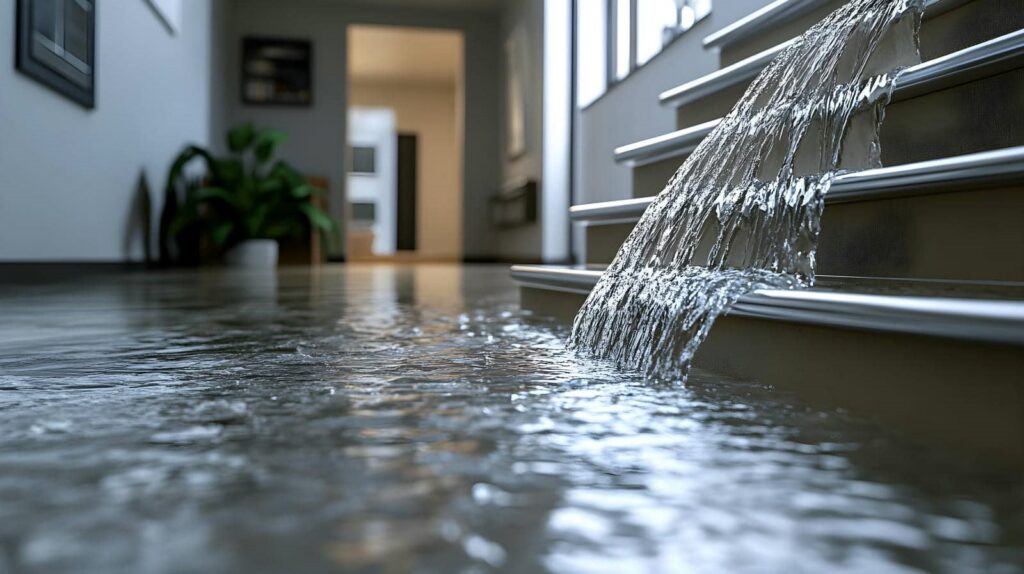
Is it true that basement water can be removed safely only after you verify hidden hazards? You should inspect for electrical shock risks, sewage contamination, and structural damage before you touch anything. Then shut off power and gas, identify the flood source, and begin controlled water removal with the right equipment and PPE. The critical step is what comes next, because a missed detail can turn a cleanup into a much bigger problem.
Key Takeaways
- Before entering, check for electrical, gas, sewage, and structural hazards, and wear insulated boots, gloves, and eye protection.
- Shut off basement electricity and gas at the main valves or breakers before removing any water.
- Find the flood source by inspecting walls, floor joints, window wells, and visible moisture patterns.
- Remove standing water with a submersible pump, then use a wet/dry vacuum for shallow water in sections.
- Dry the basement thoroughly with fans and a dehumidifier, and call a professional if contamination or structural damage is suspected.
Check for Electrical, Sewage, and Structural Hazards
Before you start removing basement water, you need to check for electrical, sewage, and structural hazards. Use water detection to locate hidden pooling, then complete hazard identification before you enter deeper areas.
If you smell sewage or see contaminated water, treat the space as unsafe and follow emergency response procedures. Inspect walls, floor joints, and support posts for cracks, shifting, or bowing that could threaten structural integrity.
Perform a quick risk assessment so you can decide whether to proceed or get help. Wear safety equipment, including insulated boots, gloves, and eye protection, to reduce exposure.
This step protects basement safety and supports flood prevention by helping you address problems early. When you move carefully and verify conditions first, you protect your crew and your home.
Shut Off Power and Gas Lines
Locate your main electrical shutoff and gas shutoff before you enter the flooded area, and verify you can access them safely.
Turn off the relevant breakers to de-energize basement circuits, then secure the gas valves to prevent leaks or ignition hazards.
If water has reached any electrical panel, meter, or appliance connection, don’t touch it until a qualified utility or emergency professional confirms it’s safe.
Locate Main Shutoffs
If water is approaching electrical outlets, appliances, or gas-fired equipment, you need to shut off the affected utilities right away. Locate your main shutoffs before conditions worsen, and note shutoff valve locations for water, gas, and other service lines. You’ll move faster when you already know each control point.
Check the meter area, utility closet, or exterior wall.
Confirm each valve turns freely and isn’t blocked.
Label access points for every household member.
Keep emergency shutoff tips posted near the panel and meters.
Use a flashlight, stay dry, and avoid standing in pooled water while you verify the controls.
If you’re unsure which line serves a device, contact the utility provider or a licensed professional. Your team can prevent escalation by acting decisively and staying coordinated.
Turn Off Breakers
Once you’ve identified the affected areas, shut off power at the main breaker panel and close the gas supply valve to any at-risk equipment. You’re protecting your crew and your home from hidden electrical risks before water contact reaches outlets, wiring, or appliances.
Use breaker safety practices: stand on a dry surface, keep one hand free when possible, and label the circuits you’ve isolated. If a breaker shows corrosion, moisture, or heat damage, don’t reset it. Keep the panel area clear so you can work without crowding.
After shutdown, verify that lights, sump pumps, and HVAC systems stay off. If you smell gas or hear arcing, leave the space and call a licensed professional right away. Staying cautious helps everyone on-site feel prepared, connected, and secure.
Secure Gas Valves
With the breakers off, move to any natural gas or propane shutoff valves serving water heaters, furnaces, boilers, dryers, or other equipment in the flooded area.
Turn each valve to the closed position, then confirm no appliance can ignite. If you smell gas, leave immediately and call your utility or emergency services from outside.
Your team’s safety depends on disciplined gas line inspection and disciplined gas valve maintenance before restart.
- Verify valves are accessible and dry.
- Mark closed valves for later reopening.
- Check flexible connectors for corrosion or strain.
- Wait for a qualified technician before relighting pilots.
Find the Flood Source Before Cleanup
Before you start pumping or mopping, locate the water’s entry point so you can stop the flooding at the source.
Inspect basement walls, floor joints, window wells, sump pits, and utility penetrations for active leaks, seepage, or backflow. Trace visible moisture upward and outward to identify flood causes and water sources, including rain runoff, failed plumbing, a cracked foundation, or a sewer backup.
Check whether water appears only after heavy rain or when fixtures run; that pattern helps you pinpoint the breach. If you’re unsure, mark damp areas, photograph them, and monitor them over time.
You belong in a safe, dry home, and a careful diagnosis lets you target repairs before cleanup begins. Shutting off the right supply now prevents repeat damage and wasted effort.
Remove Standing Water Safely
Start by removing the water in the safest way possible: use a submersible pump for deep standing water, then switch to a wet/dry vacuum for the remaining shallow water. You’ll keep control by working in sections and using water removal techniques that match the depth and volume.
Guide discharge to a sump, floor drain, or exterior runoff path with safe drainage methods so water doesn’t return to the basement.
- Move the pump to the lowest point first.
- Empty the vacuum before it reaches the fill line.
- Use short passes to avoid spreading water.
- Check progress frequently and adjust placement.
These steps help you work efficiently with your crew or household, protect the space, and restore a dry, manageable basement with confidence.
Protect Yourself During Water Removal
Water removal can expose you to electrical shock, contaminated water, and physical strain, so you should protect yourself before you continue working.
Wear personal protective gear, including waterproof boots, gloves, eye protection, and a respirator if odors or mold are present. Use safety equipment that matches the hazard level, and inspect cords, pumps, and outlets before each water extraction task.
Keep your phone charged and emergency contacts ready in case conditions worsen or you need help fast. Work in pairs when you can, because a second set of eyes helps you notice slipping hazards, fatigue, and unstable surfaces.
Stay alert, move deliberately, and pause if you feel overwhelmed. Your safety comes first, and careful preparation helps your whole team stay effective and confident.
Move Wet Belongings to Dry Space
Once you’ve protected yourself and confirmed the area is safe enough to enter, move any salvageable wet belongings out of the basement as soon as possible.
Prioritize salvage items that matter to your household and separate them from contaminated debris. Use labeled bins, tarps, or plastic bags to create a clear wet storage staging area in a dry room.
- Lift items onto clean, dry surfaces.
- Keep porous materials apart from hard goods.
- Sort by value, condition, and contamination.
- Document contents before relocating them.
Handle furniture, books, electronics, and textiles with care, and avoid stacking wet loads.
If you work together and stay organized, you’ll reduce loss, preserve what you can, and support a smoother recovery for everyone in your home.
Dry Your Basement After Water Removal
Push out remaining moisture as quickly as possible to prevent mold, structural damage, and lingering odors. You should run a high-capacity dehumidifier continuously, keep windows open only when outdoor air is drier, and use fans to move air across floors, walls, and corners.
These ventilation strategies speed evaporation and help you reclaim the space safely. Monitor humidity with a hygrometer and aim for levels below 50 percent. Empty dehumidifier reservoirs often, or route drainage outdoors if your unit allows it.
If you have carpet, lift it to dry the backing and subfloor. Check baseboards, framing, and utility areas for trapped dampness.
You’re not dealing with this alone; with steady dehumidifier use and disciplined airflow, you can restore a dry, stable basement.
Check for Mold After Flooding
After flooding, you should inspect hidden areas for mold behind walls, under flooring, and inside cavities where moisture can persist.
Use a flashlight and your senses to identify discoloration, musty odor, or visible growth.
If you find contaminated surfaces, clean them promptly with appropriate antimicrobial methods and remove materials that can’t be restored.
Inspect Hidden Mold
When floodwater enters a basement, you should inspect for hidden mold as soon as the area is safe to enter. Use mold detection techniques that focus on damp cavities, behind stored items, and along framing where airflow stays limited.
You’ll protect your household and the people who count on you by spotting growth early, before health implications escalate.
- Check baseboards, insulation edges, and wall joints.
- Look for discoloration, musty odor, or warped materials.
- Use a flashlight to trace shadowed corners and seams.
- Document suspect areas so you can monitor changes.
Don’t ignore small patches; they often signal hidden moisture nearby.
If you work methodically, you’ll stay aligned with neighbors who value safe, resilient homes and reduce the chance of lingering contamination.
Clean Affected Surfaces
Scrub all flood-contact surfaces with a detergent solution and clean water, then rinse and dry them thoroughly to reduce contamination and reveal any remaining mold growth.
You should work from the least soiled areas to the most affected, using separate cloths or brushes so you don’t spread spores.
Apply surface cleaning techniques that lift sediment, biofilm, and residues from framing, masonry, and flooring.
After cleaning, use effective disinfectants labeled for mold-affected materials, following the contact time exactly.
Keep the area ventilated and wear gloves, goggles, and a respirator if debris is airborne.
Inspect joints, corners, and porous materials closely; if staining, odor, or softening remains, remove and replace compromised components.
Stay consistent, and you’ll restore a safer, healthier basement.
Disinfect Basement Surfaces
Before you restore items or reinstall finishes, disinfect every basement surface that came into contact with floodwater to reduce the risk of mold, bacteria, and odors.
Start with surface preparation: remove loose debris, rinse residue, and let the area stay visibly damp but not pooled. Then apply disinfecting agents that match the material and label directions.
- Scrub concrete, block, and metal surfaces thoroughly.
- Keep contact time as directed.
- Rinse when the product requires it.
- Dry the space with ventilation and dehumidification.
You should treat walls, floors, shelves, and utility surfaces in sections so you don’t miss hidden contamination.
Wear gloves and eye protection, and change tools when they get dirty.
Careful disinfection helps you reclaim the space with confidence.
When to Call a Water Damage Restoration Professional
You should call a water damage restoration professional if you suspect hidden structural damage, such as warped framing, cracked foundations, or saturated insulation that you can’t inspect fully.
You also need expert help when the water may be contaminated, since sewage, floodwater, or other pollutants can pose serious health risks.
A trained team can assess the extent of the damage, dry concealed areas, and reduce the chance of long-term mold or structural failure.
Hidden Structural Damage
Even when surface water disappears, hidden structural damage can remain inside framing, drywall, insulation, and the foundation. You should inspect for hidden leaks, warped studs, soft flooring, and shifting walls before you assume the basement’s safe.
Moisture trapped behind finishes can weaken materials and compromise foundation integrity, even if the room looks dry. Call a water damage restoration professional when you notice:
- persistent musty odors
- bubbling paint or separated trim
- cracked masonry or bowing walls
- damp insulation or rusted fasteners
A qualified team uses meters and thermal imaging to find concealed moisture, document damage, and stop deterioration early.
Contaminated Water Risks
Floodwater and sewage are different from clean seepage because they can carry bacteria, chemicals, and other hazardous contaminants into your basement.
If you see standing contaminated water, don’t treat it like a routine cleanup. You’re facing health risks from direct contact, aerosolized particles, and soaked materials that can hold pathogens.
Wear protective gear, isolate the area, and avoid running HVAC systems that can spread contamination.
Call a water damage restoration professional when water came from a storm, sewer backup, or any unknown source, or when odors, discoloration, or illness symptoms appear.
Their technicians can assess contamination level, remove affected materials, disinfect surfaces, and restore safe conditions.
Acting quickly helps you protect your household and stay part of a safer, healthier home environment.
Frequently Asked Questions
How Can I Prevent Basement Flooding During Heavy Rain?
You can prevent basement flooding by maintaining drainage systems, installing reliable sump pumps, grading with landscaping solutions, and sealing entries with water barriers. You’ll protect your home, reduce risk, and stay confidently prepared.
What Tools Work Best for Small Basement Water Leaks?
Think of small basement leaks like a whispering pipe: you’ll use a moisture meter, infrared thermometer, flashlight, and hygrometer for leak detection, then apply waterproofing solutions like sealant, hydraulic cement, and injection kits.
How Long Does Basement Drying Usually Take?
You’ll usually need 2–5 days for minor basement drying, but severe saturation can take longer. Your drying methods and humidity control decide the pace, so use dehumidifiers, airflow, and continuous monitoring to belong to the dry-results group.
Can I Save Carpet After Basement Flooding?
Yes, you can save carpet after basement flooding if you act fast, like catching smoke before it spreads. You’ll need professional carpet restoration, thorough drying, and flood damage inspection to prevent mold and hidden structural issues.
What Insurance Covers Basement Water Damage?
You’ll usually need flood insurance for groundwater or storm flooding, while homeowners insurance may cover burst pipes or appliance leaks. Check coverage limits, exclusions, and deductibles so you’re protected when water damage strikes.
To Sum Up
By following these steps, you can remove basement water safely and keep a bad situation from turning into a full-scale disaster. You’ll spot hazards, shut off utilities, pump out standing water, and dry every hidden corner before mold can stage its sneaky takeover. If the flooding looks relentless, the structure shifts, or contamination’s involved, don’t gamble—call a water damage restoration professional and protect your home before the damage spreads like wildfire.