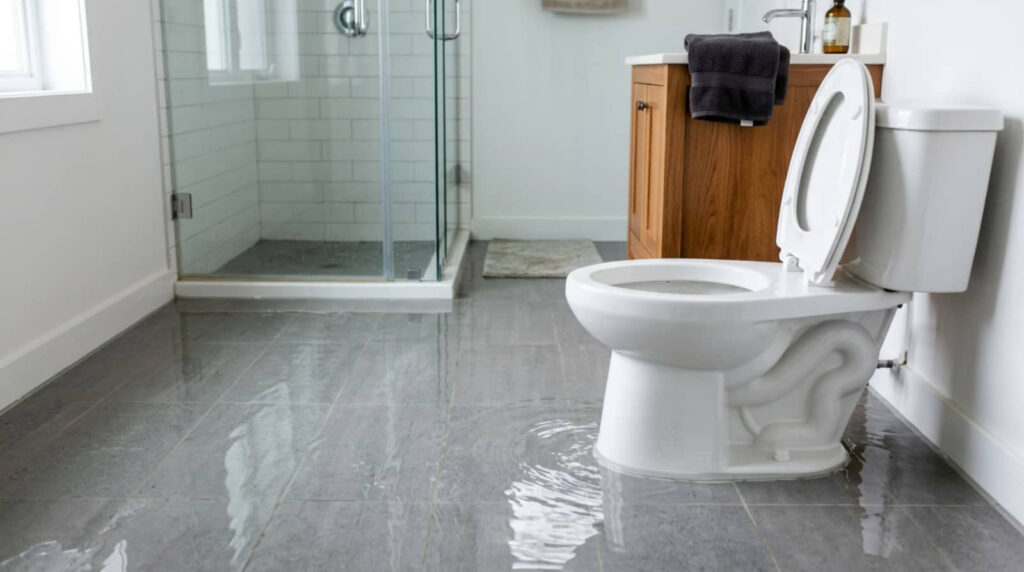
After a sewage backup, you need to act fast and in the right order. Stop using all plumbing fixtures, and shut off the main water supply if it’s safe. Keep everyone out of the affected area, then assess whether you’re dealing with a local clog or a main line failure. From there, your next steps can limit damage, reduce health risks, and keep a bad situation from getting worse.
Key Takeaways
- Stop using all plumbing immediately and shut off the main water supply if it is safe.
- Determine whether the backup is a single drain clog or a main line problem affecting multiple fixtures.
- Wear gloves, boots, long sleeves, eye protection, and a mask before touching contaminated areas.
- Start drying the area quickly with fans, open windows, and dehumidifiers to limit mold growth.
- Clean and disinfect hard surfaces, discard unsalvageable porous items, and inspect for mold or hidden moisture.
Stop the Backup Safely
If sewage is still backing up, stop using all plumbing fixtures right away and shut off the main water supply if you can do so safely.
Next, check whether the backup affects one drain or several. A single slow fixture may point to a local clog; multiple fixtures usually suggest a main line issue. You can identify causes by noting gurgling, standing water, or repeated overflow after flushing.
Don’t run sinks, tubs, dishwashers, or washing machines, since added flow can worsen the blockage. Keep family members away from affected drains so everyone stays on the same page.
If you can access an outdoor cleanout without risk, observe whether water rises there too. This information helps a plumber respond faster and can help prevent future backups.
Protect Yourself Before Cleaning
Before you clean up any sewage, put on the right protective gear to reduce your exposure to bacteria, viruses, and sharp debris.
Wear waterproof gloves, sturdy boots, long sleeves, long pants, and eye protection before you step in. Check gloves usage carefully: replace torn gloves, and wash your hands after every task.
Add a properly fitted mask if splashes or aerosols may occur. Keep ventilation importance in mind by opening windows and running exhaust fans when safe, so indoor air moves away from you.
If you belong to a cleanup crew, stay coordinated and avoid touching your face, phone, or clean surfaces.
Remove contaminated gear before entering clean areas, then bag it for washing or disposal.
Dry Out the Area Fast
Once the area is safe to enter, start drying it immediately to limit mold growth and further damage.
You should open windows if outdoor humidity is low, and run fans to move air across wet surfaces. Use ventilation techniques that create crossflow, not just circulation in one spot.
Set up dehumidifier usage as soon as power is available, and keep doors open so moisture can escape from closed rooms.
Remove soaked rugs, cardboard, and any items that hold water, since they slow drying.
Check hidden spaces like baseboards, cabinets, and wall cavities for trapped moisture.
If you act fast and stay organized, you’ll help your home recover sooner and protect the space your household shares.
Disinfect Sewage-Contaminated Surfaces
After the area is dry enough to work in, disinfect all sewage-contaminated surfaces to reduce health risks.
Wear gloves, eye protection, and a mask before you start. Remove debris first, then wash hard surfaces with soap and water to cut sewage contamination.
Next, apply approved cleaning solutions that match the surface and the label contact time. Scrub seams, corners, and textured areas where residue can hide.
Rinse if the product requires it, and let the surface air-dry. Use fresh cloths, mops, and buckets so you don’t spread contamination back into your space.
Dispose of used materials in sealed bags. If you can’t safely clean an item, replace it.
Working this way helps you restore a cleaner, safer environment for everyone in your household.
Check for Mold Growth
As the space dries, check for mold growth on walls, floors, baseboards, drywall, insulation, and hidden areas behind furniture or under flooring.
Use a flashlight and smell for a musty odor, which often signals moisture you can’t see. If you spot fuzzy, slimy, or stained patches, isolate the area and keep kids and pets away.
Remove wet porous materials if they can’t dry within 24 to 48 hours. Clean hard surfaces with detergent and dry them fully.
Run fans and dehumidifiers to lower humidity and support mold prevention.
Wear gloves, an N95 respirator, and eye protection when you inspect. Watch for health risks like coughing, headaches, or irritation.
If growth is widespread or keeps returning, call a water damage specialist so your home feels safe again.
Frequently Asked Questions
Who Should I Call First After a Sewage Backup?
You should call a licensed emergency response plumber first, then your local health department if there’re health concerns. If contamination’s widespread, contact your insurer next. You’ll get faster containment, safer cleanup, and fewer costly delays.
Does Homeowners Insurance Cover Sewage Damage Cleanup?
Usually, you’ll only get coverage if your insurance policy details include sewer or water-backup endorsement; about 1 in 50 claims involve water damage. Check sewage backup prevention steps, deductibles, and limits before you file.
Can Sewage Backup Affect My Drinking Water Supply?
Yes—your drinking water can be affected if sewage enters contamination sources, especially wells or damaged pipes. You should test water promptly, avoid consumption, and follow health risks guidance from local utilities until it’s safe.
How Do I Dispose of Contaminated Belongings Properly?
You’ll bag, label, and remove contaminated belongings. Assess contamination first, wear personal protective gear, then discard porous items. Clean salvageable items with disinfectant, and arrange curbside pickup or approved hazardous-waste disposal.
When Should a Plumber Inspect the Sewer Line?
You should call a plumber after any backup, recurring slow drains, gurgling, or sewage odors. These signs clogging suggest blockage or damage. Schedule preventative maintenance annually to protect your home and keep your household secure.
Final Thoughts
When sewage backs up, you’re the gatekeeper at the floodgates: stop all fixtures, shut off the main water if it’s safe, and keep everyone away from the spill. Suit up before you clean, then dry the area fast so the damp “swamp” can’t spread. Disinfect every contaminated surface, and watch for mold like a hidden shadow. If porous materials stay wet, pull them out and call a specialist.