
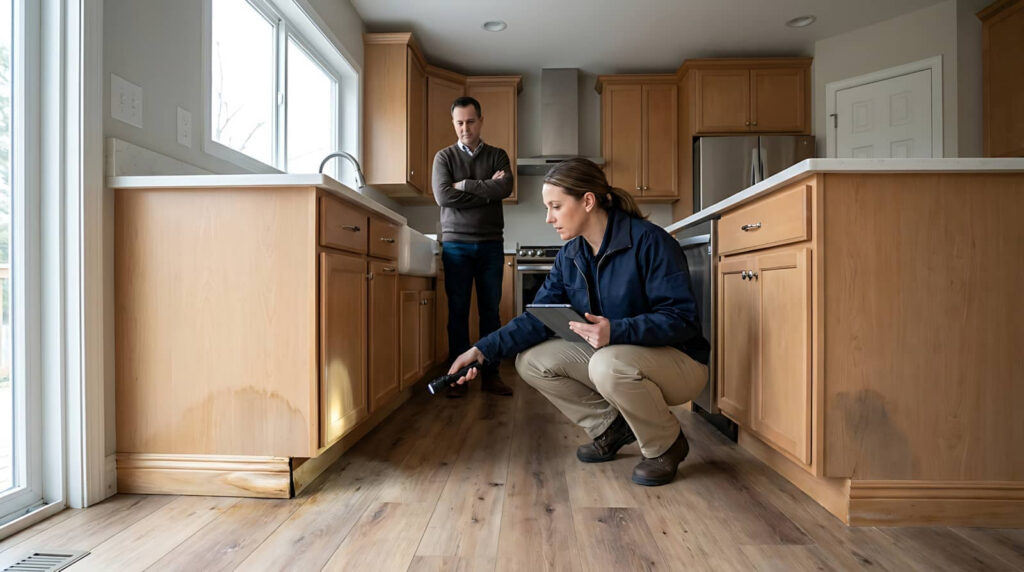
When water starts moving through your home like a silent intruder, 24-Hour water leak cleanup means you’ve got to act fast. You shut off the supply, begin extraction, and dry floors, walls, and crawl spaces before moisture settles deeper. You can also protect furniture and documents, then watch for mold or hidden damage that may not show right away. The final step is knowing when specialists should take over, because the next 24 hours can change everything.
Key Takeaways
- Shut off the water supply immediately and confirm the leak source to stop further damage.
- Start water extraction right away using a wet vac or pump, and clear the area for safe work.
- Dry floors, walls, and crawl spaces with fans and dehumidifiers to reduce hidden moisture.
- Move furniture, rugs, and documents to dry them quickly and prevent permanent damage.
- Inspect for mold or hidden damage, then call water damage specialists for repairs and restoration.
Stop the Leak and Shut Off Water
Act quickly to stop the leak and shut off the water at the nearest valve or the main supply if needed. You’ll protect your space by isolating the source, then confirming the leak’s exact point through careful leak detection.
If water keeps flowing, use the emergency shutoff immediately and verify that the fixture, appliance, or pipe section is no longer pressurized. Check nearby connections, supply lines, and visible joints for drips or spray.
Tighten only accessible fittings you recognize; don’t force damaged parts. If the leak involves a hidden line, call a licensed professional right away. You’re not handling this alone; your response team can help you regain control fast.
Once the water stops, keep the area stable and prepare for the next cleanup step.
Start Water Extraction Immediately
Begin water extraction as soon as the source is shut off to limit absorption, swelling, and secondary damage. You should move fast with an emergency response mindset, because every minute lets moisture spread deeper into materials.
Use water extraction techniques that match the situation: a wet vac for small pooled areas, a pump for heavier flooding, or professional equipment if the volume’s significant.
Keep your path clear so you can work safely and efficiently, and focus on removing standing water from carpets, hard surfaces, and trapped pockets.
If you act now, you’ll protect your space and help your household recover with less disruption. Your quick, coordinated effort sets the tone for the rest of cleanup and keeps you in control.
Dry Floors, Walls, and Crawl Spaces
After extraction, you need to dry floors with targeted airflow, dehumidification, and, where needed, controlled heat to reduce moisture in the finish and subfloor.
You should also dry walls by opening cavities as required and placing air movers so hidden dampness can escape safely.
In crawl spaces, you’ll need to lower humidity, improve circulation, and verify that structural materials reach acceptable moisture levels before you close the area.
Floor Drying Methods
To dry floors, walls, and crawl spaces effectively, you need to move air, remove moisture, and monitor conditions until materials return to safe levels.
Start with moisture control: extract standing water, lift wet rugs, and open pathways under furniture so airflow reaches every surface.
Set drying equipment, such as air movers and dehumidifiers, to create steady circulation and lower humidity.
Keep the room closed to outside air unless you’re exhausting damp air.
Check moisture readings daily at seams, edges, and subfloors, and adjust equipment as the floor dries.
If you stay consistent, you’ll reduce swelling, prevent secondary damage, and protect the structure with confidence.
You’re not alone in this process; careful drying gives your space a safer, faster recovery.
Wall And Crawl Space Drying
When walls or crawl spaces get wet, you need to dry them from the inside out by removing trapped moisture and keeping air moving through every cavity.
You’ll open baseboards, inspect insulation, and expose framing so drying equipment can reach hidden areas. Use moisture measurement to track progress in studs, subfloors, and joists, and keep readings in a log until they return to safe levels.
Set dehumidifiers low and pair them with targeted ventilation techniques, such as crossflow through vents or access openings. If insulation stays saturated, remove it to prevent secondary damage.
In crawl spaces, maintain airflow under the vapor barrier and check for standing water.
You’re not doing this alone; you’re restoring a healthy structure with careful, step-by-step control.
Save Furniture, Flooring, and Documents
Act fast to protect salvageable items before moisture causes permanent damage. You should move furniture onto blocks or foil shields to improve airflow and reduce wicking; this furniture protection limits swelling, staining, and finish failure.
Remove cushions, drawer contents, and loose hardware, then blot visible water with clean towels. For hardwood, lift rugs and underlays quickly so the flooring can dry evenly.
On tile or vinyl, keep traffic off wet areas until surfaces feel firm and stable. Handle papers by the edges, separate pages carefully, and air-dry them flat on a clean, dry surface.
For urgent document restoration, freeze wet files in sealed bags if you can’t dry them right away. Stay organized, label items, and you’ll keep your space moving toward recovery together.
Check for Mold and Hidden Damage
Once the visible water is gone, inspect damp areas for mold growth and hidden damage so you can stop problems before they spread.
You’ll want to check baseboards, drywall, insulation, and subfloors for staining, warping, musty odors, or soft spots. Lift rugs and look behind furniture, under sinks, and around windows where hidden leaks can keep materials wet.
Use a flashlight and a moisture meter if you have one; readings above normal often mean moisture remains inside. Keep indoor humidity low and improve airflow for mold prevention.
If you spot discoloration, bubbling paint, or persistent dampness, mark the area and monitor it closely. Acting now helps you protect your space and stay in control with your household.
Call Water Damage Specialists for Repairs
If water has soaked into drywall, flooring, insulation, or structural framing, call water damage specialists to assess and complete the repairs.
You’ll get an emergency response team that measures moisture, documents damage, and plans targeted work before problems spread. They can remove compromised materials, dry concealed cavities, and stabilize framing with proven restoration techniques that match the construction in your home.
When you bring in trained pros, you join a crew that knows how to protect your property and keep the repair process organized. They’ll also coordinate with insurers, explain each step, and verify that the area meets acceptable drying standards.
That support helps you move forward with confidence, knowing the structure is being restored correctly and safely.
Frequently Asked Questions
How Do I Know if the Leak Is From My Main Line?
You’ll suspect a main line leak if every fixture is off, yet your meter still moves. Use leak detection, check wet ground near the service line, and call a plumber; you’re not alone.
Should I Turn off Electricity Before Entering the Wet Area?
Yes—turn off electricity before you enter; water can be a hidden trapdoor. Follow safety precautions, because electrical hazards can injure you fast. You’re not alone here, and taking control keeps you safer and calmer.
Can I Claim Water Leak Cleanup on Homeowners Insurance?
Yes, you can often claim water leak cleanup on homeowners insurance, if your policy covers sudden water damage. You’ll need prompt documentation, mitigation, and adjuster review. Check your insurance coverage to confirm deductibles and exclusions.
How Long Does It Take for Water Damage to Affect Drywall?
Water damage can affect drywall within hours, because it drinks like a gossiping sponge. You’ll see swelling, softening, or staining fast; use moisture detection, then plan drywall repair quickly to keep your home safe and included.
What Temporary Supplies Should I Keep for Emergency Leak Cleanup?
Keep emergency cleanup kits with absorbent towels, wet/dry vacuum, plastic sheeting, buckets, gloves, and leak detection tools. You’ll respond faster, protect your space, and feel prepared with supplies that reduce damage and stress.
Final Thoughts
By acting fast, you limit damage and protect your property. Shut off the water, extract standing water, and dry floors, walls, and crawl spaces as soon as possible. Save furniture, flooring, and documents with care, and keep checking for mold or hidden moisture. If the situation feels overwhelming, call water damage specialists to finish the job. Your response matters, and with each step, you’re moving through cleanup like a steady ship through rough water.