
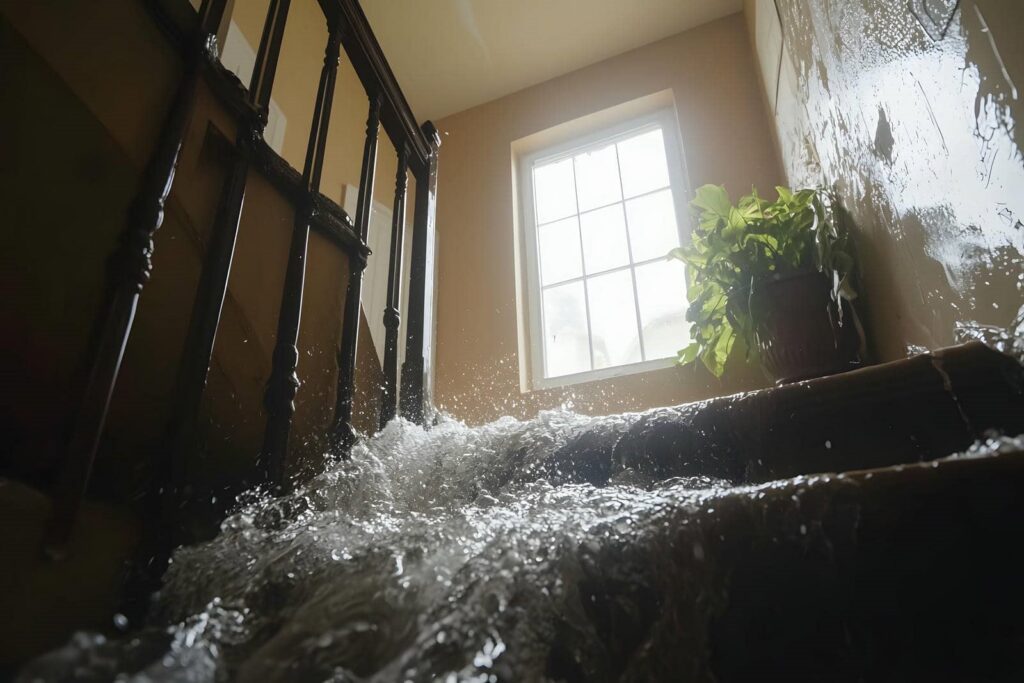
Nearly 48 hours is all it can take for mold to start growing after water damage, so you can’t afford to wait. If you leave moisture in walls, floors, or insulation, you invite hidden growth, odors, and material failure. Quick remediation helps you dry affected areas, limit spread, and reduce health risks. The real issue is how much damage can build before you notice it—and that’s where things get more complex.
Key Takeaways
- Mold can start growing within 24–48 hours after water damage, so rapid drying is essential.
- Remediation stops mold from spreading and protects walls, floors, and other building materials.
- It reduces musty odors, staining, and hidden moisture problems before they worsen.
- Proper cleanup helps prevent health issues like allergies, coughing, and asthma flare-ups.
- Professional remediation addresses the moisture source, restores safe conditions, and lowers future mold risk.
How to Stop Mold After Water Damage
To stop mold after water damage, you need to dry the affected area immediately, remove standing water, and reduce indoor humidity below 50 percent.
Use fans, dehumidifiers, and open pathways for air movement so surfaces dry fast. You should clean hard, nonporous materials with detergent and water, then disinfect them if needed.
Replace saturated drywall, insulation, and carpet padding that can’t dry within 24 to 48 hours.
Your mold prevention techniques should also include fixing leaks, sealing damp entry points, and monitoring humidity with a meter.
These moisture control methods help you protect your home and keep your space healthy for everyone living there.
Act quickly, stay consistent, and you’ll lower the chance of mold growth after flooding or plumbing problems.
Signs You Need Mold Remediation Now
If you’re unsure whether mold has moved beyond a small cleanup, look for persistent musty odors, visible growth on walls or ceilings, peeling paint, warped drywall, recurring allergy symptoms, and damp materials that never fully dry.
These mold indicators usually mean hidden colonies are active behind finishes or inside cavities. Check moisture sources like leaks, condensation, wet insulation, or failed drainage, then use inspection tips to trace staining, soft spots, and humidity above 60%.
If the affected area keeps spreading, your prevention strategies aren’t enough and you need a quick response. Don’t wait for small patches to multiply or damage framing.
When you act early, you protect your home, reduce repair costs, and stay with a community of homeowners who handle water damage before it turns into a bigger job.
What Mold Exposure Can Do to Your Health
Mold exposure can affect your health quickly, especially when spores, fragments, and microbial byproducts become airborne during cleanup or disturbance. You may notice symptoms of exposure such as coughing, wheezing, nasal congestion, eye irritation, headache, or fatigue.
In some cases, you can develop allergic reactions, respiratory issues, and skin irritations that worsen with repeated contact. If you already manage asthma, sinus disease, or other chronic conditions, mold can intensify flare-ups and strain daily comfort.
Over time, long-term effects may include ongoing inflammation, weakened immunity, cognitive impacts like brain fog, and added stress on your mental health.
You can reduce risk with prevention strategies: wear protection, improve ventilation, limit disturbance, and get professional help when contamination seems widespread.
Why Water Removal Must Happen Fast
Water removal has to happen fast because moisture gives mold the conditions it needs to grow, often within 24 to 48 hours on wet drywall, insulation, carpet, and wood.
You need rapid water extraction to limit microbial activity and protect the materials you share your space with every day. When you act quickly, you reduce staining, odor, and structural damage while keeping cleanup simpler and more affordable.
Prompt moisture control also helps your drying equipment work better, so you can restore normal conditions faster. If you wait, humidity stays high and mold pressure rises.
Hidden Moisture in Walls and Floors
Even after surface water is removed, moisture can stay trapped inside wall cavities, subfloors, baseboards, and insulation. You need moisture detection tools to find what you can’t see, because hidden dampness can weaken building materials and invite mold.
During wall inspections and floor assessments, check for soft spots, staining, swelling, and cool areas that signal retained water. Focus on leak identification near plumbing, windows, and exterior joints, then verify insulation checks to confirm it hasn’t stayed wet.
Improve ventilation and humidity control to help assemblies dry evenly, but don’t assume airflow alone solves the issue. You also need intact moisture barriers to protect the structure and support better air quality.
When you catch hidden moisture early, you protect your home and everyone in it.
What Happens During Mold Remediation
During mold remediation, you’ll first get a detailed assessment so the affected areas, moisture sources, and spread are clearly identified.
Next, the crew will contain the contamination, remove damaged materials, and clean the remaining surfaces with methods suited to the specific contamination.
After that, they’ll address the moisture problem and take preventive steps so mold doesn’t return.
Assessment And Containment
Before cleanup begins, a mold remediation team inspects the affected area to identify moisture sources, visible growth, and hidden contamination behind walls, under flooring, or in HVAC systems.
You’ll see them map the space, document damage, and measure humidity, because environmental factors drive mold growth and can spread spores fast. They may use moisture meters, thermal imaging, and air sampling to confirm where contamination is active.
Then they contain the area with barriers and negative air pressure, keeping disturbed particles from moving into clean rooms. You stay informed during this step, so you know which rooms to avoid and why.
Good assessment and containment protect your home, reduce cross-contamination, and set up a controlled, efficient remediation process for your household.
Removal And Prevention
With the area contained, the remediation crew removes mold-affected materials and cleans salvageable surfaces using methods matched to the contamination level.
You’ll see porous items, like drywall and insulation, bagged and discarded, while nonporous surfaces get HEPA vacuuming, scrubbing, and antimicrobial treatment.
Technicians dry hidden cavities, verify no damp pockets remain, and use dehumidifiers to restore safe humidity. This step stops mold growth and helps you avoid repeat damage.
After cleaning, the team checks for residual odor, staining, and spore spread, then documents what was removed and what can stay.
You should follow moisture control steps, including fixing leaks, improving ventilation, and monitoring indoor humidity.
That’s how you protect your space and feel confident it’s truly ready again.
How Remediation Protects Your Home
Proper mold remediation helps you stop moisture-related deterioration in framing, drywall, and subflooring before the damage spreads.
It also contains and removes active growth so mold can’t migrate to other materials or rooms.
Prevents Structural Deterioration
Mold remediation helps stop water damage from weakening your home’s structure by removing moisture, contaminated materials, and the conditions that let decay spread.
You protect structural integrity when you act quickly, because damp drywall, framing, and subflooring can lose strength over time.
Trained remediation limits long term effects by drying hidden cavities, replacing compromised materials, and verifying that the building envelope is stable again.
You also reduce the chance that small defects turn into costly repairs in walls, ceilings, and flooring.
When your home stays dry and sound, you keep the space safer for everyone in it and preserve the value you’ve worked for.
Fast, targeted remediation helps your house recover, so you and your household can feel confident moving forward.
Stops Mold Spread
Stopping structural damage also means stopping mold before it can colonize more areas of your home. You need fast remediation because damp materials let mold growth jump from one surface to another through hidden seams, framing cavities, and porous finishes.
When you remove wet drywall, dry framing, and clean contaminated areas, you cut off the moisture mold needs to expand. That process also supports humidity control, which keeps the environment less favorable for new colonies. You’re protecting your space, your routines, and the people who live with you by acting early.
A well-contained cleanup isolates affected rooms, limits spread during demolition, and helps your home return to a safe, stable condition without giving mold a second chance.
Protects Indoor Air
When remediation removes contaminated materials and dries the structure, it also lowers the number of airborne spores and fragments circulating through your home.
You protect indoor air by stopping particles from settling into HVAC ducts, carpets, and wall cavities, where they can keep recirculating. That matters because lingering mold debris can act as indoor allergens and worsen breathing discomfort for your household.
A thorough cleanup includes containment, HEPA filtration, and moisture control, so you can restore air quality more reliably.
You’ll also reduce musty odors and limit the chance that hidden growth returns after repairs.
When your home’s air stays cleaner, everyone in it can breathe easier and feel more comfortable together.
Can You Clean Mold Yourself Safely?
You can safely clean small mold patches yourself if you control the moisture source and wear proper protection, but only when the area is limited and the materials are nonporous or easy to dry.
Use mold cleaning methods with detergent, scrub gently, and dry the surface fully. DIY mold kits can help you organize tools, but they don’t replace careful work or good ventilation.
Check hidden spots nearby, because you want your space to stay healthy and feel like home again.
- You’ll act fast and regain control.
- You’ll protect your household’s comfort.
- You’ll reduce stress by handling a small job well.
When Water Damage Needs Professional Help
Professional mold cleanup works best for small, visible patches, but water damage often calls for expert help once moisture reaches drywall, insulation, subflooring, or HVAC systems.
You should watch for water damage indicators like warped walls, a musty odor, bubbling paint, or recurring discoloration after drying. These signs can mean hidden saturation that home tools can’t fully remove.
If you notice contamination, structural softening, or electrical concerns, professional intervention gives you better access to moisture mapping, containment, and drying equipment.
You’re not overreacting by calling a pro; you’re protecting your space and everyone in it. A trained team can assess the full extent, document the damage, and help you avoid missed pockets that keep mold growing behind finished surfaces.
How to Prevent Mold After Flood Damage
Start mold prevention immediately after flood damage by removing standing water, drying affected materials, and lowering indoor humidity as fast as possible.
You should ventilate the space, run dehumidifiers, and discard porous items that stayed soaked for more than 24 to 48 hours.
Clean hard surfaces with detergent and water, then disinfect them to reduce mold growth. Keep monitoring moisture control with a hygrometer, and fix leaks, damp insulation, and wet drywall before they spread problems.
- You protect your home and your people.
- You avoid the stress of hidden damage.
- You help your space feel safe again.
If materials still smell musty or show discoloration, you need professional inspection.
Acting quickly keeps your home healthier, your cleanup simpler, and your community support network stronger after the flood.
Frequently Asked Questions
How Long Does Mold Remediation Usually Take?
Usually, you’ll need one to five days for the remediation process, though severe mold growth can take longer. You’ll get faster results when you act quickly, limit moisture, and work with trained professionals.
Does Homeowners Insurance Cover Mold Remediation Costs?
Coverage varies: you may get paid if the mold stems from a covered peril. Practice preventive protection, review policy limits, and meet homeowner responsibilities promptly, because delays can reduce benefits and increase out-of-pocket remediation costs.
Can Mold Return After Professional Remediation?
Yes, mold can return after professional remediation if you leave mold regrowth factors like moisture, hidden leaks, or poor ventilation unaddressed. You’ll reduce risk with prevention strategies, routine inspections, and fast drying after water exposure.
What Equipment Is Used During Mold Remediation?
You’ll use air scrubbers, HEPA vacuums, dehumidifiers, negative-air machines, and moisture meters; mold detection techniques guide targeting, while remediation safety equipment protects you. Clean air versus hidden spores, you’re equipped, connected, and prepared.
How Much Does Mold Remediation Typically Cost?
You’ll usually pay $500–$6,000 for mold remediation, depending on cost factors like area size, contamination, and materials. Use mold prevention tips afterward, and you’ll protect your home, your health, and your community.
Recap
When you act fast, you stop mold growth, reduce health risks, and protect your home’s structure. When you remove water quickly, you limit hidden moisture in walls and floors, and you prevent stains, odors, and costly repairs. When you choose proper remediation, you restore safe indoor air, preserve your materials, and reduce the chance of future outbreaks. By responding early, you keep your home dry, stable, and healthy.